Archive for the ‘Uncategorized’ Category

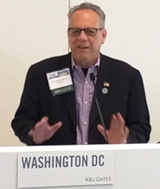
NanoBusiness Alliance Interview – Larry Bock, Executive Director, USA Science & Engineering Festival

Posted on September 1st, 2010 in Uncategorized | No Comments »

This month’s interview, 6th in our series, is with Larry Bock, icon of the Nanotechnology Community. I had the pleasure of meeting Larry in Washington, DC in February 2002. We walked the Halls of Congress together and Larry was one of the key players in advocating for the National Nanotechnology Initiative http://www.nano.gov/. I asked Larry to be a Keynote Speaker for our 9th Annual NanoBusiness Alliance Conference http://www.nanobusiness2010.com/. However, due to Larry’s commitment to his USA Science & Engineering Festival http://www.usasciencefestival.org/ he had to decline. So instead, we bring you Larry. I hope you enjoy.

In this month’s interview, we talk to Larry Bock, Executive Director, USA Science & Engineering Festival. Larry is a successful serial entrepreneur who has founded, co-founded or financed the early stage growth of 40 companies in the life and physical sciences from inception to achieving an aggregate market capitalization in excess of $30 Billion. Larry is a Special Limited Partner and currently serves as Chairman of Lux Ventures’ Advisory Board of industry experts advising the Investment Team. Larry was a co-founder and executive chairman of Nanosys, Inc. Prior to Nanosys, he was a managing general partner of CW Group, a life sciences venture capital fund. Larry was also a general partner of Avalon Ventures, a seed stage venture capital firm. Larry has been the founder and initial chief executive officer of Metra Biosystems, Inc., Neurocrine Biosciences, Inc. (NASDAQ: NBIX – neuroimmunology), Pharmacopeia, Inc. (NASDAQ: PCOP – combinatorial chemistry), Argonaut Technologies, Inc (NASDAQ: AGNT – combinatorial chemistry), and Caliper Technologies Corp (NASDAQ: CALP – lab-on-a-chip). Mr. Bock was also a co-founder of ARIAD Pharmaceuticals, Inc (NASDAQ: ARIA – intra cellular signal transduction), Athena Neurosciences (NASDAQ: ATHN, acquired by Elan Pharmaceuticals for $700M – molecular neurobiology) Inc., GenPharm International (acquired by MedaRx – transgenic animals), Vertex Pharmaceuticals, Inc. (NASDAQ: VRTX – rational drug design), Onyx Pharmaceuticals, Inc. (NASDAQ: ONXX – molecular oncology) and Illumina, Inc. (NASDAQ: ILMN – array based optical sensors).
Larry is the inspiration and executive director of the Inaugural San Diego Science Festival which was the world’s largest science festival of its kind. Larry is responsible for recruiting major Collaborators and Sponsors and Public Policy initiatives. He and his wife have contributed $250,000 of their own money toward the effort. He earned his B.A. in Biochemistry from Bowdoin College and his MBA in Finance from UCLA.

In this interview, we talk to Larry about the state of science and engineering in the United States and what he and his organization are doing to help keep the spirit of science and engineering-driven innovation alive and well in America. We hope you enjoy the interview. – Steve Waite

SW: It’s great to speak with you today, Larry. There are some exciting things going on around the country aimed at elevating the appreciation and role of science and engineering in our society. You’ve launched the USA Science and Engineering Festival (or SEF, for short). What was the inspiration that led you to create the SEF?

LB: My inspiration actually came when I took my family abroad for two years and came in contact with international science festivals taking place there. I learned that science festivals have been quite popular and successful for some time in such places as Great Britain, Germany, Italy and parts of Asia. These events are similar in scope to major art, music and film festivals that we have in the U.S. What’s exciting is that the science festivals abroad are devoted specifically to celebrate all aspects of science and engineering through inspiring lectures, hands-on activities and exhibits and contests, in addition to integrating music, art, film, comedy and other mediums into science topics.

The power and potential of these events to inspire students and others about science in fun, creative and exciting ways really impressed me, especially the festival I visited in Cambridge, England. I soon realized that we could really use events like these in America. For instance, in the last three start-ups I created in nanotechnology, we were not able to fill the majority of our scientific positions with Americans simply because not enough of them were going into these fields.

SW: Having festivals to celebrate science and engineering in America is a wonderful idea. Your background as a successful entrepreneur specializing in advanced technology is ideal for what you are doing today. How much fun are you having with it?

LB: No doubt, this venture is my love and passion because we are focusing on meeting a critical need in America: motivating and invigorating the next generation of young innovators about science and engineering, and at the same time, expanding the public’s appreciation and understanding of science and technology.

We are working hard to make this the world’s largest celebration of science and engineering, so I’m finding that the Festival often demands more of my time than most of my start-ups ever did, but I’m enjoying it!

SW: What is the role of science and engineering in fostering innovation and living standards?

LB: There is a perfect storm of events at the present time which makes the role of reinvigorating the interest of Americans in science and engineering paramount. First, as I alluded to earlier, not enough Americans are going into these fields for various reasons, which seriously impacts how technologically innovative and competitive we will be tomorrow in the global market. In addition with H-1B visa issues, we are not retaining foreign nationals in science and engineering in the U.S. like we once did. Finally, many of these foreign professionals (although they may have received their training at our universities) are returning to their homeland to pursue better opportunities there.

If this trend continues, we will have outsourced innovation. As I know from my own career, the U.S. had a lock on the biotech field for 30 years because the country was able to retain a lot of the leading scientists from overseas and able to cultivate available American scientific talent. As a result, various types of research-supporting jobs – for example, in manufacturing and operations – co-localized in and around these biotech locations, greatly contributing to the standard of living in these areas.

But now, since we are having difficulty retaining foreign nationals and attracting Americans to new fields like nanotechnology, our once preeminent position as the leading research center is seriously threatened, and as a result, jeopardizing the economic impact that these jobs have traditionally had on the nation.

SW: Many Americans can easily identify a prominent sports or music personality. However, it is fairly well known they cannot name a prominent scientist or engineer. And yet scientists and engineers are among the top income earners in the country. What gives?

LB: Well, to quote Dean Kamen (the inventor and entrepreneur who founded the amazing organization called FIRST Robotics to inspire young people in science and technology): “Society gets what it celebrates.” If society puts more priority on celebrating the latest movie celebrities and rock stars – rather than, say, spotlighting the important achievements of scientists and engineers in meaningful ways – well, guess who our kids will look up to as heroes and role models?

When asked to name a famous scientist, research shows that most Americans can at least name Einstein, but when asked to name a famous living scientist, most people are quite dumbfounded. They have never heard, for example, of a scientist like Craig Venter, the biologist and entrepreneur most famous for his role in being one of the first to sequence the human genome, in addition to his achievements as founder of such highly successful biotech start-ups as Celera Genomics and Synthetic Genomics.

On the other hand, I also have to say that scientists and engineers must become more willing and accessible to telling their story to the public. These innovators are often great at communicating with their peers about their work, but not comfortable or adept at talking with the public about what they do. Learning how to communicate about the importance of their work (not only through understandable words, but also via direct and exciting hands-on demonstrations and other interaction) would do a great service in changing many people’s typical perception of scientists as boring, nerdy, unapproachable and made up almost exclusively of White males.

SW: The idea of having festivals that celebrate science and engineering is cool. What are some of the novel and creative things you and your team have developed to stimulate interest in science and engineering across the country?

LB: The Festival has implemented several key creative approaches which are proving quite effective. Here are two examples.

The first is our Nifty Fifty Program in which we select leading scientists, engineers and high tech and life sciences entrepreneurs to go out to K-12 schools to talk about their work, the challenges and stumbling blocks they faced in their careers, how advances and principles in science and engineering can be applied to everyday life, and what students should be doing now if they are interested in entering such fields. Nifty Fifty presenters (which currently total more than 100) are selected based on their past success in speaking to and motivating young students, and for the creative and meaningful hands-on interaction and visuals they can include in their talks.

Second, our Lunch With a Laureate sessions bring Nobel scientists to public venues to speak informally over brownbag lunches about their work, including the honor of having received a Nobel Prize in their field. Twenty-five Nobel Laureates are participating.

Both the Nifty Fifty and Lunch With a Laureate approaches serve to demystify and humanize scientists and their work for students and the public – showing that many of these noted innovators came from the same childhood background as the average child, and faced the same challenges, fears and concerns that all of us face as we grow up and enter our chosen fields.

In addition, we’ve instituted some effective approaches to how we are promoting the Festival’s Expo (the massive celebration that will culminate the Festival on October 23-24 on the National Mall in Washington, DC). For instance, we’ve come up with creative, timely themes for the wide array of interactive, hands-on Expo exhibits, stage shows and other presentations that will be taking place. These themes convey how science and technology play an integral part of everyday life – from music and art to sports and health – and show how cool these fields really are.

Consequently, we think kids and others will be quite interested to check out such presentations as “The Physics of Skateboarding,” “Science Rappers,” “The Science of First Responders,” in addition to exhibits demonstrating how hip hop music and computer games are being used to teach math, and the integral role science played in uncovering great works of art.

SW: You had your first Festival in San Diego, CA last year. Tell us how that went and what you learned from the event.

LB: The Inaugural San Diego Science Festival in 2009 was a huge success, attracting 350 participating organizations, 500 programs and 250,000 participants. We learned much from this event, including better strategies for recruiting and organizing presenters and sponsors, in addition, ways to enhance the development of event content – all of which is providing us with important building blocks for this year’s inaugural National Festival.

More specifically, one important area we have spent a lot of time improving is the way we go about recruiting and selecting our Nifty Fifty science and engineering speakers for schools. Last year, for the San Diego Festival, we recruited such speakers primarily based upon their credentials and reputation as leading researchers. But we later realized that some of them were not effective or comfortable speaking before or interacting with a roomful of K-12 students – preferring instead to deliver their routine version Powerpoint talks, which fell flat with the kids.

Since the power and effectiveness of Nifty Fifty lies it its ability to connect on a very personal basis with young learners, we now select speakers based not only on their reputation as innovators, but also on their experience as outreach speakers.

As such, we evaluate them on: their experience giving inspirational presentations to students and the lay public about their work and profession, including how their research impacts everyday life; how passionate they are about their topic; their ability to incorporate multi-media audio/visuals in their talks; skill in generating audience participation through hands-on demonstrations and other interaction, and their willingness to leave ample time for questions and answers following the presentation.

A perfect example of one of our Nifty Fifty speakers this year who possesses these qualities is James Kakalios, a physics professor at the University of Minnesota, and who also serves as science consultant for Watchmen. His presentation, “The Physics of Superheroes” explains how he uses such superheroes as Spiderman, Superman and the Flash to teach others about the principles of physics, and how he has even influenced Hollywood in the depiction of these characters on the Big Screen.

SW: The next Festival will be held in Washington DC, October 10-24, 2010. What was the rationale that went into choosing Washington DC?

LB: Ray O. Johnson, the CTO of Lockheed Martin (one of our major sponsors for last year’s Festival, as well as for this year’s event) convinced me to take the Festival to the national level and to consider Washington, DC as the event’s staging point. The more I thought about it, the more I became convinced that DC and its surrounding metropolitan area was a natural choice. Not only is the Washington area the seat of government, it is also a vibrant center of science, being the home to numerous leading science agencies, organizations and societies.

Here is a brief rundown of the science and engineering entities from Washington and across the country that will be participating in the Festival. They include more than:

– 150 Professional Science & Engineering Societies including the National Academy of Engineering, National Academy of Sciences, AAAS, American Physical Society, American Chemical Society, IEEE, American Woman in Sciences, Society of Hispanic Engineers, and the National Society of Black Engineers.

– 100 Universities/Colleges/Research Institutes including Harvard, MIT, Princeton, Georgetown. University of California San Diego, University of California, Berkeley, Johns Hopkins, U.S. Naval Academy, Duke, University of Maryland, J. Craig Venter Research Institute, and Carnegie Institute of Sciences.

– 75 Government Agencies and Federal Laboratories including NIH, NSF, NASA, EPA, FDA, USDA, DARPA, Office of Naval Research, Department of Energy, Air Force Research Labs, Army Research Labs, Lawrence Berkeley Laboratory, Fermi Accelerator Facility, and Princeton Plasma Physics.

– 50 High Technology and Life Science Companies including Lockheed Martin, Intel, JnJ, Motorola, Genentech, CISCO, Northrop Grumman, ResMed, Hitachi, and Bechtel.

– 75 Informal Science Outreach Organization including the Smithsonian, American Museum of Natural History, US Botanic Gardens, and Koshland Museum.

You can view a complete list of participating entities at: www.usasciencefestival.org

SW: We would assume U.S. policymakers are interested in what you are doing with your Festivals. What kind of feedback have you received from them?

LB: Feedback from policymakers has also been quite positive, and bipartisan. The Festival has formed an Honorary Congressional Host Committee made up of more than 100 members of the House and Senate from both sides of the political aisle. Members include: Senator Dianne Feinstein of California; Senator Al Franken of Minnesota; Senator Harry Reid of Nevada; Senator Jim Webb of Virginia; Congressman Roscoe G. Bartlett of Maryland; Congressman Brian Bilbray of California; Congresswoman Judy Biggert of Illinois; Congressman Anh “Joseph” Cao of Louisiana; and Congresswoman Yvette D. Clarke of New York.

You know, as much discord that there is in Washington these days, it’s really great to see that Congress can agree on one thing – reinvigorating kids’ interest in science and engineering!

SW: Here, here! What kind of reception are you getting from the private sector?

LB: This has also been good. We have over 100 leading high-tech and life sciences companies supporting the Festival.

SW: Festivals are terrific because they cut across demographics. Are you finding that there is as much excitement from kids at the K-12 level as there is from their baby boomer parents?

LB: It’s funny, when we hosted the Expo for our first Festival in San Diego at Balboa Park, I honestly did not know how many students and parents would show, so the night before the Expo, I called all my friends to ask them to be present the next morning at the event to stand in as visitors in front of the exhibits, just in case. But there was no need for that because by 11 a.m., 70,000 people had shown up, causing an 8-mile traffic backup on a major highway leading to the park.

This demonstrated to me the huge, pent-up excitement for an event like this. I was also encouraged (and touched) by the number of parents, students, scientists and others who came up to me during and after the event to thank me for the incredible day and for inviting them. My own kids were also impressed. When they saw the long lines of people at the exhibits, they said for the first time they realized that what I was doing was fantastic, fun and interesting.

SW: That is wonderful! Are you seeing growing interest in what you are doing with the Festivals from teachers and professors?

LB: You bet. Whenever we announce a Festival event for schools, we get an overwhelming response from teachers asking how they and their students can participate. Teachers and administrators are really interested in how the private sector can bring these types of events to classrooms.

It’s also important to point out that not only do students benefit from events like the Festival, teachers also benefit by learning about and seeing cutting edge research from leading scientists and engineers. This helps educators not only keep abreast of the fast-changing world of technology, but also in learning creative ways to implement such developments in the classroom.

SW: I presume that the nanotechnology community is interested in what you are doing. What kind of participation are you seeing from the nanotech community today?

LB: Yes, the nano community will be an important aspect of the Festival, and key nanotechnology institutions, organizations and societies have signed on as exhibitors for the Expo. For instance, Johns Hopkins University’s Institute for NanoBio Technology will demonstrate how materials and objects are assembled at the nano scale. Howard University will bring its Nano Express mobile science theme park exhibition; the Material Research Society will explain how the next historical age could well be called “The Nano Age,” and the Institute for Women’s Health Research at Northwestern University will show how nanotechnology is advancing the development of more effective medication.

SW: How can people and companies get involved in the upcoming festival and future festivals?

LB: They can get involved in three ways: by becoming a science or engineering presenter (researchers or entrepreneurs in the field who would like to speak about and demonstrate their work to others); by becoming a Festival Partner (helping us to spread the word about the Festival); or by becoming a Festival Sponsor (providing funding and financial assistance for the event). Those interested can contact me directly at biobock@mac.com

SW: Your new venture sounds exciting and promising. Are you still actively engaged in nanotech and other technology start-ups?

LB: Yes, I’m currently a partner at Lux Capital, one of the leading bio-venture firms in nanotechnology.

SW: One last question, Larry. You’ve been a successful serial entrepreneur and have a great deal of experience with start-up ventures. What advice do you have for entrepreneurs today who want to get involved in nanotech or other science and engineering-intensive enterprises?

LB: My advice would be, despite the flagging economy, I think this is an ideal time to get involved in nanotechnology start ups. Looking back on when I entered the biotech start up field in the early 1990s (a period often called the nuclear winter of life sciences), companies that started then were often able to weather the storm during those tough economic times. This tested their mettle and gave them the preparation and inner strength to blossom and position themselves as leaders when the economy turned around.

SW: Thanks again for your time today, Larry. We wish you all the best with the Festival this year in Washington DC and your other professional endeavors.

Regards,

Vincent Caprio “Serving the Nanotechnology Community for Over a Decade”
www.nanobusiness2010.com
www.vincentcaprio.org
Executive Director
NanoBusinenss Alliance
203-733-1949
vincentcaprio@nynanobusiness.org

9th Annual NanoBusiness Alliance Conference, Sept. 27-28th, Chicago, IL

Posted on August 30th, 2010 in Uncategorized | No Comments »

The 9th Annual NanoBusiness Alliance Conference www.nanobusiness2010.com will be held on September 27-28th in Chicago IL. Our Event returns to the McCormick Place http://www.nanobusiness2010.com/program.

REGISTER TODAY
Online: http://www.nanobusiness2010.com/registration
Manually: Registration form attached

CONFERENCE HOTEL
Hyatt Regency McCormick Place
2233 South Martin L. King Drive
Chicago, IL, USA 60616-9985
Tel: 312 567 1234
Fax: 312 528 4000

Discounted Room Rate: $229
Reserve your rooms at the special discounted rate for the NanoBusiness Alliance Conference
https://resweb.passkey.com/Resweb.do?mode=welcome_ei_new&eventID=2503980
Room block code: NanoBusiness Alliance 2010
Last year our room block sold out so reserve your room today.

Keynote Speakers include:

– Congressman Daniel Lipinski (invited) http://www.lipinski.house.gov/index.php?option=com_content&view=article&id=13&Itemid=3
– William Moffitt, President & CEO, Nanosphere
http://ir.nanosphere.us/phoenix.zhtml?c=214748&p=irol-govBio&ID=171939
– George Thompson, Government Programs Manager, Intel http://www.nanobusiness2010.com/speakers
– Clayton Teague, Director, NNCO (invited)
http://www.nanobusiness2010.com/speakers
– George Scalise, President, Semiconductor Industry Association http://www.uscc.gov/bios/2005bios/05_21_22bios/scalise_george.htm
– Doug Jamison, Chairman of the Board, CEO & Managing Director, Harris & Harris
http://www.tinytechvc.com/team.cfm
– Jurron Bradley, PhD, Director of Consulting, Lux Research http://www.luxresearchinc.com/team/research_management
– The Honorable Kelly Carnes, President & CEO, TechVision21
http://www.techvision21.com/team/kellycarnes.html
– Dr. Michael Shapiro, Deputy Assistant Administrator, U.S. EPA’s Office of Water http://www.nanobusiness2010.com/speakers
– Mark Shannon, PhD, Director of the Water CAMPWS Center, University of Illinois
http://mechse.illinois.edu/content/directory/faculty/profile.php?user_id=57
– Fabien Cousteau, Explorer & Aquatic Environmentalist http://www.nanobusiness2010.com/speakers

NANO NEWS

Ranking the Nations on Nanotech: Hidden Havens and False Threats
https://portal.luxresearchinc.com/research/document_excerpt/6806

Nanotech tea bag purifies water for less than a penny
http://inhabitat.com/2010/08/17/nanotech-tea-bag-purifies-drinking-water-for-less-than-a-penny/

mPower Emergency Illuminator featured in September 2010 issue of Men’s Journal Magazine
http://pr-usa.net/index.php?option=com_content&task=view&id=467074&Itemid=30

Bruker Announces Agreement to Acquire Veeco’s Scanning Probe Microscopy (SPM) and Optical Industrial Metrology (OIM) Scientific Instruments Business
http://www.marketwatch.com/story/bruker-announces-agreement-to-acquire-veecos-scanning-probe-microscopy-spm-and-optical-industrial-metrology-oim-scientific-instruments-business-2010-08-16?reflink=MW_news_stmp

We look forward to your participation in our program in Chicago.

Regards,

Vincent Caprio “Serving the Nanotechnology Community for Over a Decade”
www.nanobusiness2010.com
www.vincentcaprio.org
Executive Director
NanoBusiness Alliance
203-733-1949
vincentcaprio@nynanobusiness.org

Nanotechnology-Considerations for Safe Development from Massachusetts

Posted on August 21st, 2010 in Uncategorized | No Comments »

The NanoBusiness Alliance is pleased to share a copy of the attached guidance document NANOTECHNOLOGY-CONSIDERATIONS FOR SAFE DEVELOPMENT from the State of Massachusetts released last week.

Prepared by the Massachusetts Office of Technical Assistance & Technology (OTAT), this document is intended to assist in the development of nanotechnology by identifying good manufacturing practices for preventing exposures and releases. The document also contains a useful list of technical references and assistance contact information.

“Consistent with the NanoBusiness Alliance’s Position Statement on Nanomaterials Product Sustainability http://www.vincentcaprio.org/nanobusiness-alliance-issues-statement-on-sustainable-development-of-nanotechnology, the OTAT guidance reflects a commitment to prudent business practices while advancing the promise of nanotechnology.” stated Lynn Bergeson http://nanotech.lawbc.com/, Partner, Bergeson & Campbell and the NanoBusiness Alliance’s EH&S Chairman.

We encourage communication from our Nanotechnology Community stakeholders. Please feel free to email me your thoughts.

NANO NEWS
Josh Wolfe’s Weekly Insider: Nano-enabled battery makers on the Lux Innovation Grid
http://www.luxresearchinc.com/blog/2010/08/nano-enabled-battery-makers-on-the-lux-innovation-grid/

Spray On Solar Glass a Coming Reality
http://www.merid.org/NDN/more.php?id=2774

Nanotechnology Law, 2010 Edition
http://www.merid.org/NDN/more.php?id=2771

Nano’s brightest coming to Rice
http://www.physorg.com/wire-news/41858830/nanos-brightest-coming-to-rice.html

Regards,

Vincent Caprio “Serving the Nanotechnology Community for Over a Decade”
www.vincentcaprio.org
Executive Director
NanoBusiness Alliance
203-733-1949
vincentcaprio@nynanobusiness.org

Vincent Caprio & Fabien Cousteau at Plant A Fish Fundraiser, July 27th, NYC

Posted on August 7th, 2010 in Uncategorized | No Comments »

cousteau_caprio 8-2010

NanoBusiness Alliance Interview – David J. Arthur, President & CEO, SouthWest NanoTechnologies, Inc.

Posted on August 5th, 2010 in Uncategorized | No Comments »

I hope you are enjoying the summer weather. During your free time at the airport while waiting for your next flight here’s the 5th interview in our series.

In this month’s interview, we talk to David J. Arthur, President and CEO of SouthWest NanoTechnologies, Inc. Dave has more than 30 years experience commercializing products utilizing advanced materials, including work at such companies as Rogers Corporation, A.T. Cross Co., TPI Composites, Helix Technologies and Eikos.

Mr. Arthur holds a BS degree in chemical engineering from Tufts University, MS degree in chemical engineering from the University of Connecticut and MBA degree from Northeastern University. In 2005, he co-founded Chasm Technologies, a consulting firm in the Boston area that helps its clients commercialize new products through smart application of materials science and process technology. For the past four years, he has been CEO of SouthWest NanoTechnologies in Norman, OK, a leading producer of single-wall and specialty multi-wall carbon nanotube materials for coatings and composites applications.

In this interview, we talk to Dave about SouthWest NanoTechnologies’ carbon nanotube materials and technologies, their commercialization potential and the environmental, health and safety risks associated with nanotubes. We hope you enjoy the interview. -Steve Waite

SW: Good to speak with you today, Dave. We appreciate you taking the time to talk with us. I thought it might be good to give readers an overview of SouthWest NanoTechnologies (SWeNT). Tell us about the company.

DA: Thanks Steve. SWeNT was founded in 2001 to commercialize breakthrough carbon nanotube (CNT) manufacturing technology (CoMoCAT® process) invented in the 1990’s by Professor Daniel Resasco at the University of Oklahoma (OU). This process enables superior control of CNT structure and is inherently scalable. In 2008, SWeNT built a state-of-the-art manufacturing plant in Norman, OK. This plant is capable of producing commercial quantities of single-wall and specialty multi-wall CNTs, with consistent quality and affordable pricing. In 2009, the National Institute for Standards and Technology (NIST) selected one of SWeNT’s single-wall CNT products (SWeNT® SG65) for its Standard Reference Material program for CNTs. In April 2010, SWeNT received an award from Frost & Sullivan for innovation and best practices in North America, in the field of CNTs. SWeNT employs 22 people and is recognized as a leading manufacturer of single-wall and specialty multi-wall CNTs for coatings and composites applications.

SW: There has been a lot of interest in carbon nanotubes since they were discovered. What makes them interesting and attractive from a commercial standpoint?

DA: CNTs have extraordinary properties due to their unique structure: hollow tubes of graphite, with nano-scale diameter and micron-scale length. Per unit weight, CNTs are among the strongest and stiffest materials known. CNTs are also excellent conductors of electricity and heat. They form conductive networks in polymers at extremely low loadings and these networks can be very robust. The optical and electronic properties of single-wall CNTs, in particular, can be tailored by controlling the diameter of the tubes and the orientation of carbon atoms in the walls. CNTs also have the chemistry of carbon, making them highly resistant to corrosion and easily functionalized. Commercial applications for CNTs include conductive polymers, structural composites, energy storage devices and all kinds of “printed” electronics.

SW: SWeNT is focused on a couple different types of carbon nanotubes: single-wall and specialty multi-wall. Tell us about the characteristics of each type of nanotube.

DA: Traditional multi-wall CNTs have outer diameters of 10-20 nm or more and have 10-20 walls or more. These materials are used for “composites” applications such as conductive polymers. SWeNT does not produce these types of CNTs. Historically, SWeNT has been focused on single-wall CNTs, which have outer diameters in the range of 1-2 nm and have a single wall. They can enable superior control of optical and electronic properties than multi-wall CNTs. However, they are far more expensive than multi-wall CNTs and are notoriously difficult to disperse in polymers. Single-wall CNTs are used mainly for “coatings” applications such as printed electronics. Recently, SWeNT has extended its product range to include SMW™ specialty multi-wall CNTs, which fill the gap in price and performance between single-wall and commodity multi-wall CNT. They are multi-wall CNTs with smaller diameter (7 nm or less) and fewer walls (3-6 or less) than traditional multi-wall CNTs. SMW™ CNTs are more affordable and easier to disperse than single-wall CNTs, and enable superior electrical and mechanical properties vs. traditional multi-wall CNTs.

SW: How big is the market for carbon nanotubes today and what does the growth rate look like over the next 3-5 years?

DA: Today, there are hundreds of tons of CNTs consumed per year, mainly for composites (primarily conductive polymers), with the market value of the CNTs being on the order of $100 million per year. In the next 3-5 years, the available market for CNT materials is expected to grow to $1 to $10 billion per year, driven not only by composites, but also printed electronics and energy storage applications.

SW: SWeNT has a unique and proprietary method of making its carbon nanotubes. What separates SWeNT’s process from the competition?

DA: SWeNT uses its patented CoMoCAT® process to consistently produce single-wall and specialty multi-wall CNTs with controlled structure and high purity. We utilize proprietary catalyst materials, custom fluidized bed reactors and industrial-scale purification equipment. What differentiates SWeNT from the competition is our willingness and ability to tailor CNTs for target applications, plus our commitment to provide these materials in product forms that are easy and safe to use (e.g., powders, pastes, dispersions, inks, etc.). SWeNT is also focused on single-wall and specialty multi-wall CNTs, not traditional multi-wall CNTs.

SW: What are the major commercial opportunities for SWeNT’s single-wall carbon nanotubes?

DA: The major commercial opportunities for SWeNT’s single-wall CNTs are various types of “printed electronics” applications, including LED lighting, photovoltaics, supercapacitors, flexible displays, touch screens, thin film transistors, antennas, sensors, RFID, etc. These applications are enabled by providing a tailored single-wall structure (to control optical and electronic properties) in the form of a printable ink (to allow CNTs to be printed using commercial printing equipment). We are expecting tremendous growth for CNT inks in the next few years.

SW: SWeNT’s SMW™ carbon nanotubes can enhance the performance of lithium-ion batteries. What performance enhancements are expected with your carbon nanotubes and why?

DA: Today, Li-ion batteries have a limited lifespan, due to the degradation of battery capacity after each charge/discharge cycle. Consumers have accepted this battery performance for mobile devices such as laptop computers and cell phones, but this limitation will not be tolerated for electric powered vehicles. During charging and discharging, the conductive carbon black particles used in today’s Li-ion battery cathodes start to separate, which diminishes the ability of the carbon particle network to conduct electricity and heat efficiently, resulting in significant degradation of battery capacity over time. Due to the ultra-long tubular shape of SMW™ CNTs, they can form three-dimensional conductive networks at much lower loading than carbon black particles (capacity advantage). These networks are expected to be much more robust, to better withstand swelling/de-swelling and thermal/mechanical stresses (cyclability advantage).

SMW™ CNTs offer performance advantages over traditional multi-wall CNTs because of their significantly higher purity (99.9%) and superior tube structure (smaller diameter, fewer walls, fewer defects).

SW: You are collaborating with researchers at the Rochester Institute of Technology. What kind of work is going on between SWeNT and RIT today?

DA: Rochester Institute of Technology (RIT) is a leader in applying CNT technology to Lithium ion (Li-ion) batteries with more than 30 published articles related to CNTs and successful relationships with industry and government experts. Professor Brian Landi at RIT is well positioned with all the equipment and expertise to assist SWeNT with developing next generation cathode materials comprising CNTs for Li-ion batteries. SWeNT’s activities include tailoring CNTs and forming pastes using solvents and binders specified by Professor Landi. RIT’s activities include battery electrode fabrication and electrochemical testing. The combined expertise of SWeNT and RIT is expected to create synergy and quickly produce convincing results.

SW: You’ve noted that the barrier to the market for single-wall carbon nanotubes isn’t cost, but rather quality, ease of use and safety. Can you please elaborate on this for us?

DA: Today, commercial single-wall CNTs sell anywhere from $50 to $2,500 per gram, with hundreds of $ per gram being typical. This price is too high for composites applications that are being served by traditional multi-wall CNTs, which sell for $0.10 per gram and less in volume. However, single-wall CNTs are mainly being used for coatings applications, where they impart certain optical and/or electronic properties to a surface. The value of the CNT coating is typically at least $10 per square meter. The amount of CNTs deposited on the surface is typically only 0.01 to 0.1 gram per square meter. This means that most of these applications are willing to pay $100 to $1,000 per gram of CNT, as long as the desired function is applied to the surface. Thus, cost is not the biggest issue – performance is typically the #1 concern, followed by the ability to apply the CNTs to a surface in an easy and safe manner. That is where printable CNT inks come into play.

SW: SWeNT has been proactive in minimizing environmental, health and safety (EHS) risks associated with manufacturing carbon nanotube materials. What kinds of activities is SWeNT engaged in to accomplish this?

DA: The production of CNTs involves handling corrosive materials (acids and bases), flammable materials (hydrogen, carbon monoxide, solvents) and fine particulate materials (catalyst particles, CNT particles). Before building its new plant to produce single-wall and SMW™ CNTs in commercial quantities, SWeNT hired two top-notch engineering firms to help with plant and equipment design (Day & Zimmerman), as well as on-site waste treatment and EHS compliance (Benham Engineering). SWeNT also proactively engaged with several local, state and federal agencies to seek their advice and involve them in the design and building process, as needed. Per Toxic Substances Control Act (TSCA) requirements, we filed PMNs with the EPA – one for single-wall and one for SMW™ CNTs. The PMN application process resulted in several informative discussions with the EPA, which has been very helpful for both SWeNT and the EPA. The fact of the matter is that “nanoEHS” is a new area for all of us, and it is in our collective interest to understand & share what best practices are for handling CNTs. The National Institute for Occupational Safety and Health (NIOSH) has also been particularly helpful to SWeNT, by making measurements of workers’ exposure to CNTs and providing specific recommendations for improvement. I am pleased to say that NIOSH was impressed with our operations and their findings should be published soon.

SW: What do we know today about the toxicological effects of carbon nanotubes?

DA: The earlier question dealt with using safe and responsible manufacturing practices to minimize exposure of workers to CNTs, as well as to minimize the chance for environmental release of CNTs. This is where most of SWeNT’s efforts have gone to date. Regarding the toxicological effect of CNTs, this is an active area of research, as is evidenced by numerous well-attended workshops sponsored by the National Nanotechnology Initiative (NNI) on the topic of nanoEHS. Many of the papers presented at these workshops deal with toxicological testing of CNTs. Since traditional multi-wall CNTs have been commercially available more than a decade before single-wall and SMW™ CNTs, there is much more toxicological data available for those materials. To my knowledge, the data published to date on the toxicological effects of CNTs has not yet been extensive or conclusive enough to establish clear guidelines regarding acceptable exposure limits. However, given the amount of research focused on nanoEHS, as well as the regulatory requirements for CNT suppliers to provide toxicological data to the EPA, it should not be long before this “data gap” is addressed. To help generate this test data on single-wall and SMW™ CNTs in a timely and cost effective manner, SWeNT has recently joined the NanoSafety Consortium for Carbon.

SW: What kind of research do you foresee being done in the future that would help policymakers and regulators understand the EHS risks associated with carbon nanotubes?

DA: I think there is lots of good research being done today on EHS issues associated with CNTs. However, there are two specific things that I think can be done better. First, the toxicological testing should be done using well characterized CNT materials. Not all CNTs are the same, with respect to structure and purity. It is important to correlate toxicological effect with CNT structure and purity. It is also important to use standardized tests for measuring toxicological effects and to include other control materials in the study, so the data from one lab can be compared with another. Otherwise, it will be too challenging to make sense of the data. If it is challenging for the scientific community, you can imagine how difficult it will be for policy makers and regulators.

SW: As SWeNT continues to grow and execute its plans for the future, how does the company anticipate attracting sufficient capital to meet its needs?

DA: To date, SWeNT has been very fortunate to have received over $6.0 million in grant funding at both the State and Federal levels and anticipates the receipt of similar amounts in the future. In addition, from time to time, SWeNT accesses the private markets through the issuance of equity. In 2010, SWeNT is engaged in another round of equity financing in order to fund the expansion of its manufacturing facility in Norman, Oklahoma as well as funding other growth plans of the company. SEC rules and regulations prohibit any detailed discussion of the offering other than by the offering documents themselves.

SW: Last question, Dave. Given all your experience, what advice do you have for entrepreneurs who are working with nanotechnology?

DA: First, focus on delivering “nano-enhanced solutions” that enable disruptive technologies for your customers – this is delivering real value. Second, make sure your product is in a form that is easy and safe to use – this addresses the real barriers to buying your product. Third, be persistent – it always takes longer and costs more than you think, but that investment of time and money is key to building your sustainable competitive advantage.

SW: Thanks again for your time today, Dave. We wish you and your colleagues at SouthWest NanoTechnologies all the best in the future.

I hope you enjoyed today’s interview and I look forward to seeing you in Chicago on September 27-29th at our 9th Annual NanoBusiness Alliance Conference.

Regards,

Vincent Caprio “Serving the Nanotechnology Community for Over a Decade”
www.vincentcaprio.org
Executive Director
NanoBusiness Alliance
203-733-194 9
vincentcaprio@nynanobusiness.org

NNI Strategic Planning Workshop, July 13-14, Arlington, VA – Strategy Portal Introduced

Posted on July 26th, 2010 in Uncategorized | No Comments »

This month on July 13-14th I had the honor of attending the National Nanotechnology Initiative Strategic Planning Stakeholder Workshop http://www.tvworldwide.com/events/nanotech/100713/ in Arlington, VA. We started the morning of July 13th with 4 Keynote Speakers who are leaders in the Nanotechnology Community:

– Dr. E. Clayton Teague, Director, National Nanotechnology Coordination Office (NNCO)
– Travis Earles, Assistant Director, Nanotechnology, Office of Science and Technology Policy (OSTP)
– Dr. Mihail Roco, National Science Foundation (NSF)
– George Thompson, PhD, Government Programs Manager, Intel

I encourage you to view the webcast http://www.tvworldwide.com/events/nanotech/100713/ of the event. After lunch we broke into 4 groups working on each of the following NNI Goals:

Goal 1 – Advance a world-class nanotechnology research and development program
Discussion leader: Norman Scott, Cornell University
Presentations:
– George Adams, Network for Computational Nanotechnology
– Vinothan Manoharan, Harvard University
Questions to be discussed (tentative):
– Where should the NNI research be distributed on Pasteur’s Quadrant? (i.e., what is the appropriate mix of basic and applied research)?

Goal 2 – Foster the transfer of new technologies into products for commercial and public benefit
Discussion leader: John Cowie, American Forestry and Paper Association
Presentations:
– Shaun Clancy, Evonik
– Sean Murdock, NanoSonix
– John Randall, Zyvex
Questions to be discussed (tentative):
– Are there new forms of public/private partnerships that you could recommend to improve commercialization?

Goal 3 – Develop and sustain educational resources, a skilled workforce and the supporting infrastructure and tools to advance nanotechnology
Discussion leader: James Murday, University of Southern California
Presentations:
– Vincent Caprio, NanoBusiness Alliance
– Charles Gause, Luna Innovations
– Kristen Kulinowski, Rice University
– Stephen Fonash, Pennsylvania State University
Questions to be discussed (tentative):
– How should the NNI infrastructure be adapted to respond to future needs?

Goal 4 – Support responsible development of nanotechnology
Discussion leader: Richard Canady, International Life Science Institute/Research Foundation
Presentations:
– Alison Elder, University of Rochester
– Amy Jones, Applied NanoStructured Solutions
– Pat Mooney, ETC
– Dietram Scheufele, University of Wisconsin
Questions to be discussed (tentative):
– How do we develop appropriate risk analysis to ensure maximum benefit for society?
– How do we engage stakeholders in both anticipatory and participatory governance (in the context of the NNI) regarding the future of nanotechnology?

Overarching questions for all breakout groups:
– With respect to this goal, what has the NNI done right and what should it continue doing?
– With respect to this goal, where has the NNI headed down the wrong path?
– What can the NNI do in the future to address this goal?

After an hour of public comment, we had a networking reception with over 100 leaders of the Nanotechnology Community.

Day two, July 14th, opened with 3 Keynote Speakers:

– Congressman, Daniel Lipinski http://www.lipinski.house.gov/. Congressman Lipinski earned a Bachelor’s Degree in Mechanical Engineering from Northwestern University, a Master’s Degree in Engineering-Economic Systems from Stanford University, and a PhD in Political Science from Duke University. The Congressman is a big supporter of nanotechnology.
– Paul Alivisatos, PhD, Director, Lawrence Berkeley National Laboratory, University of California, Berkeley
– James R. Heath, PhD, Professor of Chemistry, California Institute of Technology

Then, we went back to our groups to reprise discussion of goals from day 1 breakout groups as well as discussions on implementation of goals and objectives.

Additional news announced from the NNI Event was the launch of the National Nanotechnology Initiative Strategy Portal.

This portal http://strategy.nano.gov/ is designed to enable you to provide input and feedback on the National Nanotechnology Initiative and its Strategic Plan. The NNI is the $1.76 billion dollar multi-agency Federal research and development initiative focused since 2001 on nanotechnology innovation. In December 2010, NNI will publish a new strategic plan, outlining priorities and objectives for the next 5-10 years. The goals of the plan are:
Goal 1: Advance a world-class nanotechnology research and development program.
Goal 2: Foster the transfer of new technologies into products for commercial and public benefit.
Goal 3: Develop and sustain educational resources, a skilled workforce, and the supporting infrastructure and tools to advance nanotechnology.
Goal 4: Support responsible development of nanotechnology.

In order to develop a well-informed and effective plan, we need your input whether you are a policymaker, scientist, student or an entrepreneur. This portal enables you to respond to and discuss specific NNI questions covering themes such as research priorities, investment, coordination, partnerships, evaluation, and policy. Please sign in or register for a new account. http://strategy.nano.gov/registration

I enjoyed my discussions in Washington reviewing the last 10 years of the NNI and US strategic planning for the next 10 years.

Regards,

Vincent Caprio “Serving the Nanotechnology Community for Over a Decade”
www.vincentcaprio.org
Executive Director
NanoBusiness Alliance
203-733-1949
vincentcaprio@nynanobusiness.org

NanoBusiness Celebrates the 3rd Year of the NanoBusiness Talent Program

Posted on July 21st, 2010 in Uncategorized | No Comments »

Last month on June 14-17th, the NanoBusiness Talent Program www.nanobusinesstalent.org kicked off its third year in Argonne, IL. The event, which was led by NanoBusiness Talent Program Director, Lesley Hamming, PhD, was a nanotechnology boot camp in conjunction with several of the nation’s top scientists at the Center for Nanoscale Materials (CNM) at Argonne National Laboratory in Argonne, IL.

Twenty-five students from Illinois, North Carolina and Colorado participated in hands-on laboratory experiments, demonstrations and lectures by CNM scientists. Nathan P. Guisinger, PhD, taught students about the fundamental instruments of nanotechnology, including scanning tunneling microscopy and atomic force microscopy. Elena Shevchenko, PhD, demonstrated self assembly, and Elena Rozhkova, PhD, lectured on protein synthesis.

Students conducted experiments such as synthesizing gold nanoparticles with Galyna Krylova, PhD. Gold nanoparticles could ultimately be used in novel cancer therapies and diagnostics. Daniel Lopez, PhD, discussed MEMS/NEMS while Dave Czaplewski, PhD, gave the students a tour of the clean room.

The NanoBusiness Talent Program is a nonprofit dedicated to connecting high school students with leading nanotechnology innovators by arranging educational opportunities and internships. Funded through a grant by the Department of Energy, the NanoBusiness Talent Program’s mission supports President Obama’s push to make U.S. students more competitive globally in science, technology, engineering and math.

“The students at the camp had a unique opportunity to learn about nanotechnology directly from the leading scientific staff at the Center for Nanoscale Materials,” says NanoBusiness Talent Program Director Lesley Hamming, PhD. “Not only did the scientists generously share their knowledge with the students, the passion they exuded for their work was infectious. The teenagers benefited immensely from gaining exposure to technology and training not otherwise available to students until college or graduate school.”

“The experience I had at the Argonne camp is unparalleled,” says participant Amishi Bajaj, 16, of Oakbrook, IL. “I was able to achieve a greater understanding of the implementation of nanotechnology in the lab with such processes as e-beam lithography and atomic force microscopy as well as in the real world with lectures presented by pioneers of their respective fields.”

Argonne National Laboratory seeks solutions to pressing national problems in science and technology. The nation’s first national laboratory, Argonne conducts leading-edge basic and applied scientific research in virtually every scientific discipline. Argonne researchers work closely with researchers from hundreds of companies, universities, and federal, state and municipal agencies to help them solve their specific problems, advance America’s scientific leadership and prepare the nation for a better future. With employees from more than 60 nations, Argonne is managed by UChicago Argonne, LLC for the U.S. Department of Energy’s Office of Science.

I would like to commend Lesley Hamming, PhD for her enthusiasm and passion in leading the NanoBusiness Talent Program for the past three years. We look forward to Lesley’s vision for further growth in 2011.

NANO NEWS

I will be in DC for the NNI Strategic Planning Stakeholder Workshop, July 13-14, 2010
http://www.nano.gov/html/meetings/NNISPWorkshop/index.html

Researchers use nanoparticles to shrink tumors in mice
http://www.biosciencetechnology.com/News/Feeds/2010/07/disease-research-researchers-use-nanoparticles-to-shrink-tumors-in-/

Findings hold important implications for cancer therapy
http://7thspace.com/headlines/350317/findings_hold_important_implications_for_cancer_therapy.html

Regards,

Vincent Caprio “Serving the Nanotechnology Community for Over a Decade”
www.vincentcaprio.org
Executive Director
NanoBusiness Alliance
203-733-1949
vincentcaprio@nynanobusiness.org

NanoBusiness Alliance Issues Statement on Sustainable Development of Nanotechnology

Posted on July 12th, 2010 in Uncategorized | No Comments »

On Thursday, July 1st, the NanoBusiness Alliance issued a Position Statement on Nanomaterials Product Sustainability, which reflects NanoBusiness Alliance members’ enduring commitment to managing effectively the environmental, health, and safety (EHS) implications of nanotechnology.

The NanoBusiness Alliance is committed to being the leader in the sustainable development of nanomaterials around the world. We are committed to working with governments and nanomaterials stakeholders to manage the sustainable development and use of nanomaterials in a responsible way.

The NanoBusiness Alliance has long advocated on a wide variety of business issues pertinent to the development and commercialization of nanomaterials and nano-enabled products, including securing funding for nano enterprises, the elimination of trade barriers, and encouraging and supporting nano innovations and their successful transition from research into sustainable commercial enterprises that create jobs and revitalize the U.S. economy. Recognizing that successfully managing EHS issues is an essential component of the commercialization of nano innovations, the NanoBusiness Alliance has redoubled its commitment to and its focus on these EHS issues. The NanoBusiness Alliance has consistently supported its members’ commitment to EHS excellence and our Position Statement embodies this long-standing commitment. The NanoBusiness Alliance will continue its leadership in this essential area.

Position Statement on Nanomaterial Product Sustainability

As an enabling technology applicable to diverse fields, including alternative energy, medicine, and electronics, among many others, nanotechnology offers tremendous value to society. As with any emerging technology, nanotechnology and nanoscale materials must be managed in a responsible way to identify and minimize any potential adverse effect on human health or the environment. The Alliance is committed to fostering the responsible and sustainable development of nanotechnology, to working with governmental and related nanotechnology stakeholders to develop appropriate scientific testing tools, methodologies, and data to characterize nanoscale materials, and to developing informed, science-based governance policies, laws, standards, practices, and regulations pertinent to nanoscale materials.

I www.vincentcaprio.org would like to thank the members of the EHS Committee for their contributions to the creation of the position statement:
– Lynn Bergeson, Partner, Bergeson & Campbell
– Jim Hussey, CEO, NanoInk
– Skip Rung, President & Executive Director, ONAMI
– Phil Lippel, Consultant
– Cynthia Kuper, President, Versilant Nanotechnologies

Regards,

Vincent Caprio “Serving the Nanotechnology Community for Over a Decade”
www.vincentcaprio.org
Executive Director
NanoBusiness Alliance
203-733-1949
vincentcaprio@nynanobusiness.org

NANO NEWS

Excellent article on America’s greatest living Scientist and NanoBusiness Alliance friend, Dean Kamen
Mr Segway’s difficult path
http://www.economist.com/node/16295592?story_id=16295592

From Scott Livingston of Livingston Securities www.livingstonsecurities.com
Tesla Motors prices 13.3 million shares at $17 per share, closes first day of trading at $23.89

http://www.sec.gov/Archives/edgar/data/1318605/000095013010002906/ds1a.htm

OCAST names five nanotechnology application award winners
http://okc.biz/article/06-29-2010/OCAST_names_five_nanotechnology_application_award_winners.aspx

GE Using Nanotechnology to Green the Alberta Oil Sands
http://www.marketwatch.com/story/ge-using-nanotechnology-to-green-the-alberta-oil-sands-2010-06-30

Livingston Securities & NanoBusiness Alliance NanoMedicine Webinar, Thurs. 7/22, 1PM EDT

Posted on July 7th, 2010 in Uncategorized | No Comments »

I www.vincentcaprio.org would like to invite you to our upcoming Webinar to be presented by Dr. Mostafa Analoui, Head of Healthcare and Life Sciences for The Livingston Group www.livingstonsecurities.com. This Webinar is titled “NanoMedicine: Current State of Global R&D, Investment, and Future Outlook” and will be presented via a unique interactive online platform. This event will be held online on Thursday July 22, 2010 from 1-2PM EDT. Co-presented by the NanoBusiness Alliance, the webinar is a unique and by-invitation only event designed around important critical issues for innovators and investors.

Dr. Analoui’s presentation covers key R&D and product developments around use of nanotechnology in drug discovery, diagnostics and medical devices. He will also offer a snapshot of historical trends in investment, M&A and exits in this area, as well as what is shaping capital markets, especially in light of recent turmoil in the financial markets.

Dr. Analoui will also offer an outlook of regulatory environment, role of major pharmaceutical, diagnostic and medical device players in future R&D, venture investments and M&A deals.

Please confirm your participation with Zach Schultz zachary@livingstonsecurities.com. Additional information for Virtual Reality platform and instructions for webinar will be sent to confirmed participants.

I have known Dr. Analoui for over 9 years and I find his insights and observations in regard to nano medicine to be valuable. I would like to share with you his bio.

Mostafa Analoui, Ph.D., is Head of Healthcare and Life Sciences at The Livingston Group (New York, NY) and Chairman and CEO of Cense Biosciences, Inc. Previously he was the Senior Director at Pfizer Global Research and Development. He is also adjunct Professor of Oral Pathology, Medicine and Radiology at Indiana University. Dr. Analoui is actively involved in investment, management and scientific/business development of nanotechnology, drug discovery/development, diagnostic imaging, and global strategies.

While at Pfizer, he was the Site Head for Global Clinical Technology in Groton and New London, a division focusing on emerging technologies for development and validation of biomarkers and diagnostics for drug development. Prior to joining Pfizer, Dr. Analoui was the Director of Oral and Maxillofacial Imaging Research, Associate Professor of Radiology at Indiana University, and Associate Professor of Biomedical Engineering and Electrical & Comp Engineering at Purdue University. He was also President and CEO of Therametric Technology Inc. He has received his Ph.D. from Purdue University, followed by Post-Doctoral Fellowship at IBM TJ Watson Research Center in NY.

In addition to industry leadership in biomedical and technology fields, he consults and lectures in US, Europe and Asia. He has also served on various scientific, regulatory, and business advisory committees and boards, including NIH, NSF, PhRMA, NASA, and OECD. Dr. Analoui has authored over 130 publications, including journal articles, book chapters and technical reports. He is senior member of IEEE, SPIE, and RSNA.

He currently serves as board member of VirtualScopics (Nasdaq: VSCP), Calando Pharmaceutical (Nasdaq: ARWR), BEACON (Biomedical Engineering Alliance and Consortium) and Advisory Board for the NanoBusiness Alliance.

NANO NEWS

Security Tops the Environment in China’s Energy Plan
http://www.nytimes.com/2010/06/18/business/global/18yuan.html?scp=1&sq=security%20tops%20the%20environment%20in%20China%22s%20energy%20plan&st=cse

Instant Fame For Professor: Just Add Oil
http://www.foxbusiness.com/story/markets/commodities/instant-fame-professor-just-add-oil/

Nanotechnology opportunities exist despite recession
http://www.nanotech-now.com/news.cgi?story_id=38740

We look forward to having you participate in this exciting event.

Regards,

Vincent Caprio “Serving the Nanotechnology Community for Over a Decade”
www.vincentcaprio.org
Executive Director
NanoBusiness Alliance
203-733-1949
vincentcaprio@nynanobusiness.org

NanoBusiness Alliance Supports USA Science & Engineering Festival, Oct 10-24, 2010, DC

Posted on July 6th, 2010 in Uncategorized | No Comments »

USA SCIENCE & ENGINEERING FESTIVAL
October 10-24, 2010
Expo on the National Mall – October 23 & 24, 2010
www.usasciencefestival.org

I would like to share with you a letter in regard to a fabulous program taking place this fall in Washington, DC. Our good friend Larry Bock is one of the organizers of this event. Larry would like to share some of the details with you.

Greetings to all of you in the Nano Community,

I hope you have the time to participate in this fantastic event. Here are some of the details to date.

I. Partners
There are now over 450 major organizations participating with almost 1000 activities/programs including:

100 Professional Science & Engineering Societies including the National Academy of Engineering, National Academy of Sciences, AAAS, American Physical Society, American Chemical Society, IEEE, American Woman in Sciences, Society of Hispanic Engineers, National Society of Black Engineers …

100 Universities/Colleges/Research Institutes including Harvard, MIT, Princeton, Georgetown, University of California San Diego, University of California, Berkeley, Johns Hopkins, U.S. Naval Academy, Duke, University of Maryland, J. Craig Venter Research Institute, Carnegie Institute of Sciences …

50 Government Agencies and Federal Laboratories including NIH, NSF, EPA, USDA, FDA, NASA, NDEP, Office of Naval Research, Department of Energy, Air Force Office of Scientific Research, Lawrence Berkeley Laboratory, Fermi Accelerator Facility, ….

25 High Technology and Life Science Companies including Lockheed Martin, Life Technologies, Northrop Grumman, Intel, CISCO, Scientific American, Research in Motion, SpaceX, Hitachi, ….

75 Informal Science Outreach Organization including the Smithsonian, American Museum of Natural History, US Botanic Gardens, Koshland Museum ….

75 Community Organizations including FIRST, Girls Inc., Science Buddies, 4-H, Girls Scouts …

20 Nobel Laureates

You can see the growing list at:
http://www.usasciencefestival.org/about/partners

II. Sponsorship

We have raised approximately $1.75M from about 40 corporate, government and individual sponsors in just 8 months. This is still short of our goal of $2M, but we are on our way. If there is any way you can help, we appreciate introductions!

The USASEF is hosted by Lockheed Martin and sponsors include Life Technologies Foundation, K&L Gates, Clean Technology and Sustainability Industries Organization (CTSI), Larry and Diane Bock, ResMed Foundation, Farrell Family Foundation, Alexandria Real Estate Equities, Northrop Grumman Corporation, Agilent Technologies, Amgen, Celgene Corporation, Cisco, The Dow Chemical Company, National Institutes of Health, Illumina, The Kavli Foundation, Intel Corporation, You Can Do the Rubik’s Cube, Vertex Pharmaceuticals Inc., Genentech Inc., MedImmune, Sandia National Laboratories, Project Lead The Way (PLTW), Baxter International, Celestron, University of Maryland, NuVasive Inc., FEI Company, Case Western Reserve University, Biogen Idec Foundation, LifeStraw®, Microsoft Corporation, Draper Laboratory, Silicon Valley Bank, Bechtel Corporation, SpaceX, the National Radio Astronomy Observatory, Research in Motion, Thirty Meter Telescope Project, Virginia Commonwealth University and the Astronomy Outreach Foundation.

III. Media Partners

We have secured over $2M in Media Sponsors which means free advertising on TV, radio, web, print and social media marketing of the Festival. If you have any media contacts, and can make an introduction, that would be great.

Current media partners include Discovery Communications, Popular Science and Science Illustrated, New Scientist, EE Times Group, SCIENTIFIC AMERICAN, POPULAR MECHANICS, ScienceBlogs, Technology Review published by the Massachusetts Institute of Technology, The Epoch Times, “WAMU 88.5 – American University Radio,” C&EN, the newsmagazine of the chemical & related sciences, Forbes Wolfe Emerging Tech Report, PBS, Career Communications Group, Engineering.com, the Northern Virginia Technology Council, CrazyEngineers.com, FAMILY Magazine, American Scientist, SciVee, Inc. and SchoolTube, LLC.

In addition we have Media Deals with WJLA (Washington, D.C. affiliate), WTOP, EL SOL (CBS Radio Spanish station) and the Washington Post.

IV. Venue

Our finale event has grown so much that we will currently occupy the following major venues: the National Mall from 1st-7th Street, Mellon Auditorium, Wilson Plaza, Freedom Plaza, Pennsylvania Avenue (from 12th-14th Streets) and 4th Street (between Jefferson and Madison).

In addition, our three weeks of Festival Programs will take place in over 100 separate venues throughout the Greater Washington, D.C. area.

We received a lot of help from the Washington Board of Trade, K&L Gates, OSTP and the D.C. Office of Technology and African American Relations in securing the amazing street closures above.

VI. School Programs

50 leading scientists and 20 Nobel Laureates will do programs in schools throughout the Greater D.C. Area in the month leading up to the Expo.

We have recruited some incredible speakers from leading researchers like NIH Director Francis Collins, AIDS researcher

Anthony Fauci, Astronaut Donald Thomas, Physics of Super Heroes expert James Kakalios, Science of NASCAR Expert Diandra Leslie-Pelecky, and many many more.

See them all at:
http://www.usasciencefestival.org/2010festival/niftyfifty

Here are the participating Nobel Laureates:
http://www.usasciencefestival.org/2010festival/schoolprograms/lunchwithalaureate

V. Satellite Events

We have catalyzed the growth over over 30 Satellite Events that will occur throughout the United States on the same dates as our finale Expo including major events in Austin, TX, Raleigh/Durham, NC, Berkeley, CA, Clinton, NJ, Tucson, AZ and many more. Some of these will be huge events as well.

To see a United States Map of these events go to:
http://www.usasciencefestival.org/satellite-event-directory

VI. Contests

We have five major contest underway with lots of prize money that go to the participating STEEM organization. They include the:

1. Rubik’s Cube Tournament
2. Kavli Science Video Competition
3. Engineering.com Teacher Video Competition
4. Sustainable Dreamhouse Competition

Tell your kids, friends’ kids and kids’ teachers to enroll in some of these competitions!

We completed a Jingle Contest and had two great winners. Check out the winners at: http://www.usasciencefestival.org/2010festival/contests/jinglecontest

VI. Science Celebrities

There is a growing list of science celebrities scheduled to be at the Festival including the Mythbusters, Ira Flatow, David Pogue, Scott Sampson, Sid the Science Kid, Bill Nye the Science Guy, Erno Rubik, and many more

Best regards,

Larry Bock

Thank you Larry for all your hard work on this event. It is an honor to be involved. We look forward to seeing you this fall in Washington, DC.

Regards,

Vincent Caprio “Serving the Nanotechnology Community for Over a Decade”
www.vincentcaprio.org
Executive Director
NanoBusiness Alliance
203-733-1949
vincentcaprio@nynanobusiness.org