Archive for the ‘Uncategorized’ Category

Summary of NNI at Ten: Nanotechnology Innovation Summit – Part 1

Posted on December 17th, 2010 in Uncategorized | No Comments »

I enjoyed my time in DC at the National Nanotechnology at Ten: Nanotechnology Innovation Summit last week. I am very excited in regard to the next 10 years of Nanotechnology. Great to see our Nanotechnology Community friends such as:

Dr. Mike Roco, NSF; Doug Jamison, H&H; Peter Antoinette, Nanocomp; Piotr Grodzinski, NCI; Angela Belcher, MIT; Jeff Morse, National Nanomanufacturing Network; Kitu Bindra, Envia Systems; Alexei Andreev, H&H; George Allen, Former Senator of VA; Jim Mason, The ONI; Lynn Bergeson, B&C; Seth Coe-Sullivan, QD Vision; Travis Earles, White House OSTP; Charles Geraci, NIOSH; Bart Gordon, US House of Representatives, TN; Tom Kalil, White House OSTP; Terry Medley, Dupont; William Moffitt, Nanosphere; Matthew Nordan, Venrock; Mark Ratner, Northwestern University; Misti Ushio, H&H; Brent Segal, Lockheed Martin; Lloyd Whitman, NIST; Dave Arthur, SWeNT; Anita Balachandra, TechVision21; Craig Bandes, Pixelligent; Keith Blakely, NanoMech; Harry Bushong, nanoTox; Charlie Gause, Luna; Jim Hussey, NanoInk; Leonard Poveromo, Northrop Grumman; Chuck Van Fleet, Swan Chemical and Marlowe Epstein, NNCO

Here is a summary of the Nanotechnology Innovation Summit.

Last Thursday and Friday, December 9th & 10th, we attended the Nanotechnology Innovation Summit organized by our friends at NSTI on behalf of the agencies participating in the National Nanotechnology Initiative. The event, marking the 10th anniversary of the interagency Federal initiative, took place in National Harbor just south of Washington, DC. Attendees at a preliminary workshop held on Wednesday heard directly from program managers at numerous funding agencies, who described their research priorities in the context of the NNI Strategic Plan. As regular readers of this newsletter are aware a draft of the updated plan was posted on strategy.nano.gov for public comment throughout November. Since that plan calls for increased emphasis on goal-oriented research driven by national priorities, technology transfer, and support for commercialization activities, it is appropriate that “innovation” served as the theme for the anniversary workshop.

Travis Earles, Assistant Director of Nanotechnology in the White House Office of Science and Technology Policy, served as Master of Ceremonies for the Summit. You can read Travis’ own take on the proceedings (co-written with OSTP Deputy Director for Policy Tom Kalil) at the OSTP blog. Thursday opened with a keynote panel featuring a rare confluence of Presidential Science Advisors – Neil Lane (Clinton), John Marburger (Bush) and John Holdren (Obama) – giving a high-level Administration perspective. The Congressional point of view was presented by Bart Gordon, soon to retire as Representative from Tennessee and Chair of the House Science Committee, in Friday’s keynote address.

With Tom Kalil moderating, the Science Advisors (who also serve as OSTP Directors) each gave their perspective on the origins of the NNI and its course so far. Lane noted that what President Clinton liked to refer to as “my tiny little initiative” started in a time of budget surpluses and garnered rare bipartisan support. He is optimistic about the future of the initiative and remains convinced, as he told the House Science Committee when he was Director of the National Science Foundation, that nanoscale science and engineering is a key field for the future, but noted that we are headed for some tough budget years. Nevertheless the NNI’s budget growth from $495M in 2001 to an estimated $1.6B in 2011 is remarkable. Marburger noted that OSTP is lucky to have critical personnel just below the political appointee level who provide continuity across administrations. The success of the NNI through two presidential transitions is a testament to their value. He pointed out that we have known that interesting things happen at the nanoscale for a long time – that’s nature – but that the National Nanotechnology Initiative was founded to take advantage of emerging abilities to do something about it. The tools that enable this are high tech, but not particularly expensive, so the rise of nanotechnology programs around the world is not at all surprising. Marburger also noted that the planners of the NNI had paid attention to health, safety, and environmental issues from the very beginning, but that this has not been enough to satisfy the critics. He advocated for continued attention to the EHS issue, international competitiveness, and the difficulty of training skilled researchers and workers in a highly interdisciplinary field. Holdren expressed strong appreciation for his predecessor’s work in putting the NNI on solid footings, and listed five points that summarize the Obama Administration’s emphasis for the Initiative:

1. The NNI should continue to be a high priority for R&D agencies, as reflected in the annual Budget Memo he co-authors with the Director of the Office of Management and Budget, since nanotechnology is expected to play a vital role in economic growth and job creation.

2. Agencies should continue to support nanoscale science, engineering, and technology broadly but should increase activities supporting the NNI Signature Initiatives (to date, Nanotechnology for Solar Energy Collection and Conversion; Sustainable Nanomanufacturing – Creating the Industries of the Future; and Nanoelectronics for 2020 and Beyond, with the identification of new Signature Initiatives and establishment of supporting public-private partnerships called for in the draft Strategic Plan).

3. Nanotechnology research should support existing grand challenges in the research community, for example in sustainable energy or cancer therapeutics.

4. The emphasis on responsible development, as reflected by the growing funding for EHS research, will continue.

5. Concrete recommendations from PCAST for greater emphasis on innovation should be heeded through increased use of public-private partnerships and stronger technology transfer and commercialization efforts.

Following a break to explore the accompanying Innovation Showcase, leading figures from the business world discussed national and global issues driving the need for nanotechnology innovation. Norm Augustine, former Chairman and CEO of Lockheed Martin, noted that the “Gathering Storm” of international competitors identified in 2007 by a committee he chaired for the National Academies has not dissipated. In fact, a recent update to that report suggests we are losing ground. He noted that innovators do not respect boundaries, and that we continue to have a lot of good innovators in the United States, but fears that we are benefiting from our prior investments in educating scientists and engineers while falling behind in new investments. He urged us all to pay attention to how Congress treats the COMPETES Act in the next few years, closing with a quote from Winston Churchill: “You can always depend on Americans to do the right thing. After they’ve done everything else.” Jim Rudd of GE Global Research, while noting the many technological innovations GE has made based on discoveries here in the U.S., pointed out that the company now has 6 global centers in the research division, four of which are overseas (in China, Germany, India, and Brazil). GE does have over 100 research employees investing in nanoparticles, nanostructured materials, and coatings for applications like shedding ice from aircraft engines, improving heat transfer in steam turbines, and developing enhanced contrast agents for magnetic resonance imaging. Former Intel CEI Craig Barrett spoke about three main issues. He discussed the Nanoelectronics Research Initiative, perhaps the premiere example of an NNI-affiliated public private partnership, at some length. While recent generations of semiconductor electronics, from Intel and its competitors, include substantial amounts of evolutionary nanotechnology, the NRI is focused on revolutionary electronic devices and architectures to take the industry beyond the predicted end-of-life for CMOS technology, which he said is now expected to provide perhaps 12-15 more years of Moore’s Law improvements. On the policy side of things, Barrett echoed previous speakers concerns regarding education – he is now spearheading an effort called Change the Equation which is getting corporate America involved in STEM education. He pointed out that Intel’s venture capital arm, which he called the world’s biggest high tech VC supplier, used to make 90% of its investments in the U.S. That number is now down to about 50%, with the rest going to Asia. He also can’t imagine that the wafer fabs for future generations of semiconductors will be built in the U.S. much longer, given the substantial disincentives in tax and immigration policy relative to other countries.

The morning session closed with reports from three leaders of the nanotechnology investment community who are well known to NanoBusiness Alliance members – Harris and Harris’ Doug Jamison, Venrock’s Matthew Nordan, and Aymeric Sallin of NanoDimension. Doug outlined H&H’s long-term commitment to nano and microsystems technology, and discussed the firm’s pipeline of companies at various stages of maturity. He pointed out that the successes so far have come in extremely difficult times, with opportunities for exits all but non-existent for about five years. Doug noted the importance of partnerships for early-stage firms, both with larger, established companies and with research agencies. H&H has invested about $125M in their portfolio companies, which have attracted about $1.5 B in venture capital overall. While the $80M these companies have received in federal funds seems small in comparison, it is an important leveraging tool. Matt discussed investment in nanotechnology from his current perspective and in terms of his prior role as a founder of Lux Research. He pointed out the loss of 5.5 million U.S. manufacturing jobs over the last decade, and called science and technology innovation the only tool left in the U.S. competitiveness toolkit. While Venrock has a much broader focus than Lux – only Nanosys is an “obvious” nanocompany – other portfolio companies, for example several in the energy space, rely on nanomaterials and technology. Aymeric’s company invests exclusively in nano, and covers the field broadly. He claimed they screened 1700 companies in the past year, and took a more serious look at 173. Virtually all of their companies received NNI support in one form or another. Like H&H, their portfolio includes a mix of company maturities. As an example of a later stage company, he noted that Soladigm (which manufactures green building materials like switchable clear/tinted glass) is now hiring 300-400 people to ramp up their manufacturing.

Thursday afternoon featured two more technical sessions and another chance to visit companies displaying their wares at the Showcase. We heard from Northwestern University Professor and molecular electronics pioneer Mark Ratner, from IBM’s Tom Theis, and from Dawn Bonnell, Director of the Nano/Bio Interface Center at the University of Pennsylvania. Dr. Ratner pointed that nature’s solar energy conversion process, photosynthesis, utilizes aligned nanostructures and discussed synthetic analogues. He also discussed application in health care, especially diagnostics, and security. A long-time advocate for education and the development of young researchers, Mark pointed out that nanotech is still a young field, so it is especially important that we don’t just look to financials as a measure of success. We have real companies doing real things, and real students speaking the language. Quoting Thoreau, he concluded, “There is more day to dawn. The sun is but a morning star.” Dr. Theis discussed some of IBM’s most recent lab accomplishments in the realm of devices and systems for future generations of computers, including optical devices fabricated out of silicon and fully integrated with CMOS processing techniques and small, fast transistors made with carbon nanotubes or graphene. He noted that, despite their world-class research strengths, IBM can’t go it alone and relies on partnerships like the NRI to overcome the full set of barriers which must be overcome to deploy new technologies in the semiconductor industry. In addition to discussing why the “next switch” must not just be small but must be able to switch at lower voltages than scaled CMOS, he made an interesting remark about NSF’s new solicitation for proposals as part of the Nanoelectronics for 2020 and Beyond Signature Initiative. There are three eligible topics – new materials, new state variables, and new architectures or computing paradigms. Dr. Theis noted that by requiring proposals to address not just one of these topics but at least two, NSF was stimulating the kind of cross-disciplinary partnerships that are needed to identify manufacturable solutions from among the many things that physics allows. Dr. Bonnell was a participant in the “Nano2” study which we wrote about a few weeks ago, a broad survey of nano research in the U.S. and internationally. She noted that, while there is a lot of continuity in topics and programs since the start of the NNI, there are several current hot topics that were not foreseen. Two examples are graphene and nanoplasmonics. From her own Center’s work, she highlighted carbon nanotube-based sensors and cancer biomarkers. Finally, Dr. Bonnell noted that we must continue to evolve versions of our nano instruments that are capable of making measurements in manufacturing environments, as opposed to the research environments from which they generally come.

There were two more presentations from high-ranking Federal officials Thursday afternoon – Secretary of Energy Steven Chu, and Leo Christodoulou, Director of the Defense Sciences Office of DARPA. Secretary Chu summarized DOE’s plans to “Transform the Energy Landscape” before giving numerous examples of DOE-funded research into basic phenomena of importance for solar energy conversion, energy storage, efficient separation and capture of carbon dioxide or other greenhouse gases, and improved building technologies such as LED lighting. He discussed the Energy Innovation Hub program, sometimes called “Bell Lab-lets”, using the example of the Fuels from Sunlight Hub (Caltech/Lawrence Berkeley National Laboratory) with its ambitious goal of finding an artificial way to efficiently convert light and water to oxygen and hydrogen and then catalyze the production of a hydrocarbon fuel, mimicking photosynthesis but with much higher efficiency and an end product tailored to our fuel delivery systems. Dr. Chu concluded by saying that we have a lot of technologies in place as a result of research to date, but need new breakthroughs to meet our goals. Dr. Christodoulou spoke mostly about DARPA’s general approach to innovation – DARPA is not afraid to fail – although he noted that in briefing Deputy Director Ken Gabriel (who was originally scheduled to speak) for this meeting, he came up with plenty of impressive DARPA-funded “topdown’ nanotechnology. Examples include a tour-de-force maskless nanowriter, tip-based nanofabrication work, and functional interfaces. In contrast, he noted that the agency’s Blue Angel vaccine program is producing 16 million doses of vaccine per month, using tobacco as the bottom-up biofactory (a sort of surrogate nanowriter). He believes that if the 21st century is, as some have suggested, going to be the age of the control and manipulation of matter, more of our research will have to take high throughput bottom-up approaches.

Nanobusiness leaders rounded out the day in sessions devoted to innovations in energy technology, electronics, and manufacturing. A123 co-founder and MIT Professor Yet-Ming Chiang pointed out that batteries were probably not a significant factor in the initial NNI plans, but are now a big feature of the nano landscape. Transportation, storage of energy on the electrical grid, and consumer or industrial uses are all major application drivers of continued R&D. Dr. Chiang noted that his company initially intended to focus on another technology, but changed its course after observing fast full discharge behavior in some research cells. They’ve now built a business on the excellent discharge characteristics and cycle lifetimes of materials similar to those research cells, and continuing fundamental research promises further improvements. The company has some offshore manufacturing, but has invested heavily (with federal support) in new domestic facilities for production of both cells and battery packs. They now have over 700,000 square feet of factory space in Michigan. Four electric cars are using A123 batteries (the Fisker Karma, Hymotion plug-in converted Prius, and two vehicles built by Shanghai Automotive Industry Corp. for the domestic Chinese market). Navistar will soon deliver an all-electric delivery van for FedEx using their batteries, and A123-powered hybrid buses have already accumulated over 60,000 road miles. On the storage front, Southern California Edison will use A123 product in the world’s largest Lithium-Ion battery installation, at the Tehachapi Wind Project. Federal support has been very significant for the company, from its first DOE-SBIR grant through $100M of Automotive Battery Consortium funding and $240M of American Recovery and Reinvestment Act funds.

Seth Coe-Sullivan of QD Vision described his company’s two quantum-dot-based product lines: microdisplays, and LED lighting. Both were available for inspection at the Product Showcase, although the displays haven’t yet been released commercially. Since 22% of our nation’s electricity is used for lighting, and another 3% for displays, QD Vision’s approach has set out to decrease energy usage while improving performance. Their microdisplays are low power yet display a larger gamut of color than conventional phosphors, while their lighting products allow LED manufacturers to efficiently shift the spectrum of their emitters to provide perceived color quality comparable to traditional incandescent lamps. The Nexxus R30 LED lamp, which uses QD Vision’s technology, has a color temperature of 2700K and and outputs over 60 lumens per watt. The next-best available lamp with comparable color quality only put out about 40 lumens per watt. Seth discussed the importance of collaborating with established partners in your target industry. He also pointed out that his company is very committed to delivering nanotechnology safely throughout their products lifecycle, including disposal. They have worked with NIOSH, and are focusing research on lead- and cadmium-free quantum dots. As far as funding goes, QD Vision has received about two dollars in venture capital for every dollar of federal funding.

Damoder Reddy discussed Solexant and its ultrathin, roll-to-roll printed photovoltaic cells. The company, founded in 2006, has a small plant operating in the Bay Area and is constructing a 100MW capacity line in Oregon. Their work spun out of Dr. Paul Alivisatos’ group at Berkeley. While the current cells use Cadmium Telluride-bearing inks, they are developing a Cadmium-free version and hope to transition to that technology in about three years.

Brent Segal of Lockheed Martin Nanosystems described the fast, large, non-volatile memory technology originally developed at Nantero. Lockheed Martin bought the government systems division of Nantero a few years ago, with the original company focusing on commercial uses. Brent described the company’s “$31.5 Million journey” from an idea to a test board which flew on the Space Shuttle’s Hubble Repair Mission. Nantero’s success had an element of serendipity in it, since radiation hardness – considered a key feature for NASA and military applications – was not one of their original design goals. They continue to scale their chips, with a 64Mb generation coming soon and a 2Gb chip on the drawing boards. Brent is also an active participant in several nanotechnology standards development efforts, and he made a pitch for further participation in both standards development and public-private partnerships.

Peter Antoinette of Nanocomp Technologies says his company is delivering on the promise of scale. They are making carbon-nanotube-based yarns and sheets at a rate of several kilometers per week, while building next-generation facilities to further increase their output. The company has important partnerships with Rochester Institute of Technology and UMass-Lowell, and has worked closely with NIOSH and the EPA. Their CNT yarns have been incorporated into lightweight coaxial cables that are fully qualified for spaceflight, and their sheets have been used for EMI shielding on planes and satellites. One potential commercial application is in the entertainment wiring on the Boeing 7×7. Since this is a non-critical system, the qualification process is a relatively short 18 months or so. Peter noted that his is an intensely competitive field, with significant foreign competitors. So far, inflows of capital and talent have been sufficient to keep Nanocomp ahead.

S.V. Sreenivasan, Chief Technical Officer of Molecular Imprints and Professor at the University of Texas at Austin, described his company’s work in the memory and magnetic storage arenas. Beginning with DARPA funding in the mid-90s, they have developed lithographic processes with 1.5 nanometer critical dimension uniformity and 2.0 nanometer roughness control. A major application is in hard disk drives, where manufacturers will need patterned media within 18 months to stay on their continually improving capacity curve. MI’s 3rd generation of tools have the required specs, with the ability to create 15 nanometer pillars over large disks at a cost of ~ 35 cents per disk. They have also shipped a tool to an Asian NRAM manufacturer which can process ten 300 millimeter wafers per hour, for use in memory chips with feature sizes < 25 nanometers.

Dr. Angela Belcher was the final speaker on Thursday. As many of you know, in addition to serving as Germehausen Professor of Materials Science and Engineering and Biological Engineering at MIT, Angie is a co-founder of not one but two nanotech companies – Cambrios Technologies and Siluria. Dr. Belcher discussed these companies’ work to commercialize her research on biomaterials, virus-guided self-assembly, etc, but her most telling remark may have been this: the beginning of NNI coincides pretty directly with the beginning of her research career. She never knew a research landscape without an NNI, and finds it difficult to imagine. Dr. Belcher is truly one of the first of those new-generation innovative interdisciplinary thinkers that earlier speakers pointed to as among the most valuable products of the Initiative. With that thought, we’ll close for today. A discussion of the Friday activities at the Nanotechnology Innovation Summit will be forthcoming. In ten years, there has truly been a lot of progress to cover!

Last week’s conference was fabulous. If you have any additional questions, please feel free to contact me at vincentcaprio@nynanobusiness.org.

Regards,

Vincent Caprio “Serving the Nanotechnology Community for Over a Decade”
Executive Director
NanoBusiness Alliance
203-733-1949
vincentcaprio@nynanobusiness.org
www.nanobusiness2010.com
www.vincentcaprio.org

NanoBusiness Alliance Interview – Lynn L. Bergeson, Managing Director, Bergeson & Campbell, P.C.

Posted on December 13th, 2010 in Uncategorized | No Comments »

The NanoBusiness Alliance is very committed to providing relevant Environmental, Health and Safety information to our Nanotechnology Community. Today, we continue our interview series with Lynn L. Bergeson, Managing Director, Bergeson & Campbell, P.C. (B&C). Lynn is one of America’s top EH&S practitioners and is the Chairman of the NanoBusiness Alliance’s EHS Committee. B&C is a Washington, D.C. law firm concentrating on conventional and engineered nanoscale chemical, pesticide, and other specialty chemical product approval, regulation, litigation, and associated business issues. Ms. Bergeson is also Principal of The Acta Group, L.L.C. and The Acta Group EU, Ltd, B&C’s consulting affiliates, with offices in Washington, D.C. and Manchester, U.K., respectively. Ms. Bergeson counsels clients on a wide range of issues pertaining to chemical hazard, exposure and risk assessment, risk communication, and related legal and regulatory aspects of conventional and nanoscale chemical regulatory programs under the Federal Insecticide, Fungicide, and Rodenticide Act (FIFRA), the Toxic Substances Control Act (TSCA), the Registration, Evaluation, Authorization and Restriction of Chemicals (REACH) regulation, and on issues pertinent to nanotechnology and other emerging transformative technologies.

Ms. Bergeson lectures and writes frequently on a wide range of chemical regulatory matters. She serves on the Editorial Board of Nanotechnology Law and Business, 2008–; Press Advisory Board of Environmental Law Institute’s (ELI) Environmental Law Reporter, 2007–; Editorial Board of ELI’s The Environmental Forum, 2004–; Pesticide & Toxic Chemical News, 2002–; EPA Administrative Law Reporter, 1996–; Environmental Quality Management, 2002–; Chemical Processing Magazine, 2002–; and Pollution Engineering, 1990–, among other publications. Ms. Bergeson is a member of The District of Columbia Bar; Bar Association of the District of Columbia; American Bar Association (Section of Environment, Energy, and Resources); Women’s Bar Association of the District of Columbia; and the Women’s Council on Energy and the Environment. Ms. Bergeson is a graduate of Michigan State University (B.A., magna cum laude), and the Columbus School of Law, Catholic University of America, where she was a member of the Law Review. She is admitted to the bar of the District of Columbia and several federal circuit courts.

In this interview, we speak with Lynn about a wide range of issues related to nanotech Environmental, Health and Safety (EHS). We hope you enjoy the interview. – Steve Waite

SW: It is a pleasure speaking with you today, Lynn. There has been a lot of work in nanotech EHS over the past decade. What are the major things we have learned?

LB: Steve, thank you for speaking with me. We have learned quite a lot. First, we know that nanotechnology covers a dazzling array of technologies that are applicable to a similarly broad range of industry sectors. We know these applications are beneficial, and require nurturing. We know also that much work remains to be done to ensure consumer confidence and demonstrate effective regulatory and governance oversight.

SW: What are the hot nano EHS topics today?

LB: There are several big issues. The most global, and vexing, has to do with defining terms. Establishing a nano nomenclature that is uniform, thoughtful, and useful for regulatory purposes is a priority. This is especially true given the growing number of regulatory initiatives that are emerging in the U.S., European Union (EU), and elsewhere. Here in the U.S., the U.S. Environmental Protection Agency’s (EPA) Office of Pollution Prevention and Toxics (OPPT) is working on three Toxic Substances Control Act (TSCA) proposals that will have an immediate and significant impact on the commercialization of nanoscale materials. These are a Section 4 request for testing, a Section 5 categorical significant new use rule (SNUR), and a Section 8 request for information. EPA’s Office of Pesticide Programs (OPP) is also working on a policy under the Federal Insecticide, Fungicide, and Rodenticide Act (FIFRA) that will apply to nanopesticides. If issued, it too will have a significant impact on nanoscale materials used in pesticide products.

SW: EHS testing has become more difficult over the years with greater restrictions on using animals and humans for tests. How are companies coping with these restrictions?

LB: Companies with which I work appreciate the limitations on animal testing and the growing restrictions on testing involving humans. That said, in vivo testing will continue to be necessary if we are to develop credible scientific evidence that helps identify with precision the circumstances and types of materials that might pose risks. While there are a growing number of alternative testing methodologies and strategies that nanomaterial manufacturers and related others may use to demonstrate the safety and efficacy of their nano innovations, these alternatives are in their infancy. For example, in vitro tests are used with bulk materials to predict toxicity to humans. Such tests must be carefully calibrated to be useful, and the utility and limitations of such testing must be known to ensure test results are meaningful.

SW: Let’s talk about the various regulatory agencies for a moment. What are the major EHS initiatives at the EPA currently?

LB: As noted, EPA is most active in regulating new nanoscale chemical substances under TSCA. EPA has reviewed over 100 nanoscale substances and has obtained a solid and growing knowledge of a range of nanoscale materials. EPA is now working on TSCA Sections 4, 5, and 8 rulemakings. EPA’s pesticide office is less far along, and is focusing on nanoscale materials used in biocide applications. EPA is developing an “interpretation” of FIFRA Section 6(a)(2) (adverse effects) reporting pertinent to nanoscale materials known to be included in pesticide products, and reportedly working on FIFRA Section 3 data call-ins for certain substances. All of these initiatives are important.

At the state level, all eyes are on California. The Department of Toxic Substances Control’s (DTSC) data call-ins on nanoscale materials are important developments as are the Office of Environmental Health Hazard Assessment (OEHHA) Green Chemistry Hazard Traits Endpoints and DTSC’s implementation of the Green Chemistry Initiative as these developments relate to nanoscale materials.

SW: What are the significant EHS initiatives at the FDA today?

LB: The U.S. Food and Drug Administration (FDA) seem to be moving very deliberately. The Task Force it set up made a number of recommendations in 2007 that the Agency is still discussing in various public venues and fora such as the public meeting it held on September 23, 2010, to obtain information and opinions on characterization, manufacturing, and biocompatibility of nanomaterials. FDA is using such information, and the results of testing it conducts in Arkansas and that the Nanotechnology Characterization Laboratory of the National Cancer Institute (NCI) conducts in Maryland in large part to answer the basic regulatory question it must first address: When is a nanomaterial the “same” as its macro-particle counterpart? The answer to that question will have a big impact on the classification of products and will determine the standards a manufacturer must meet to obtain approval or clearance, as well as the data to support submissions for that purpose, for types of products, including generic drugs, indirect food additives, food contact substances, dietary new ingredients, and substantially equivalent medical devices. Where the issue is not a claim that the material is the “same” as in a predicate product, FDA will have to decide the proof needed to meet the applicable regulatory standard for that class of product, and it is doing so, to date, on an ad hoc basis, rather than by regulation or guidance.

SW: What are the major nanotech EHS initiatives we are seeing currently in the EU?

LB: In the EU, the European Chemicals Agency’s (ECHA) ongoing work under the Registration, Evaluation, Authorization and Restriction of Chemicals (REACH), in particular the REACH Implementation Projects (RIP) on nanomaterials, is important in the regulation of nanoscale materials, as is developing guidance under the Classification, Labeling, and Packaging regulation, EC No. 1272/2008. Finally, the EU implementation of the food and cosmetics labeling regulation is important, and will have precedent setting implications.

SW: Are we seeing greater collaboration among the various regulatory authorities inside and outside the U.S. with respect to nanotech EHS?

LB: Yes. Domestically, federal agencies coordinate through the National Nanotechnology Initiative (NNI) under the management framework of the National Science and Technology Council (NSTC). The Nanoscale Science Engineering and Technology (NSET) Subcommittee of the NSTC coordinates planning, budgeting, and program implementation. In addition, the White House Policy Coordination Group is a policy committee that was formed to address “emergent technologies,” including nanotechnology. This group also coordinates across federal agencies. Finally, there are agency-specific groups embedded in specific federal agencies, including EPA and FDA, focused on ensuring consistency within federal agencies.

Internationally, the Organization for Economic Cooperation and Development (OECD) has been devoted to fostering harmony on multiple issues pertinent to nanotechnology. The Working Party on Manufactured Nanomaterials and Working Party on Nanotechnology were created several years ago and are devoted to developing a shared view on technical and policy issues, and leveraging internal resources in a way that maximizes OECD member countries’ and others’ investments in nanotechnology.

SW: What are the typical kinds of mistakes companies make with regard to nanotech EHS?

LB: Nano companies are in many respects no different than other more traditional businesses. Prudent business planning and effective product stewardship goes a long way. A commitment to be responsible and compliant with all applicable laws and regulations is also a must. Importantly, however, nano businesses must grow and flourish in a fluid regulatory context where standards and courses of business conduct are evolving. This definitional and regulatory fluidity invites uncertainty that is typically unnerving to management, investors, insurers, and business owners. As a business owner, I can relate and sympathize. It is all the more reason companies need to plan smart, get really good legal counsel, and monitor evolving domestic and international regulations and business standards carefully.

One of the benefits of NanoBusiness Alliance membership is being kept aware of these evolving standards and practices, and being offered an opportunity to discuss the cutting edge business issues that are of concern and interest to the nano industry, and the business strategies most likely to be successful in a challenging economy.

SW: What companies are at the forefront of nanotech EHS today?

LB: That is a hard question to answer as there are many companies contributing greatly to nano EHS excellence today. Certainly, DuPont is to be commended for its collaboration with the Environmental Defense Fund in creating the Nano Risk Framework, http://www.nanoriskframework.com, which is the premier framework for ensuring the responsible development of nanotechnology. I reference DuPont by name as its development of this useful business tool has helped immeasurably in promoting nano EHS. There are many, many other companies, large and small, as well as entities, public and private, that have contributed greatly, too numerous to note by name. Government entities are also to be commended. In particular, EPA’s New Chemicals Division staff and leadership, Jim Willis, Jim Alwood, and Kristan Markey, to name a few; NNI leadership, Clayton Teague; and National Institute for Occupational Safety and Health (NIOSH), Chuck Gerasi, have all made valuable contributions to promoting the responsible development of nanotechnology.

SW: What can the nanotech community learn from other industries’ experience with EHS?

LB: Perhaps the most important lesson is to innovate with a view toward considering the life cycle consequences of product design and to communicate regularly and often with all stakeholders. Nanotechnology offers tremendous promise as a pollution prevention tool. Its benefits must be advocated relentlessly. All too often the areas of uncertainty regarding potential risk posed by unbound nanoscale materials eclipses other aspects of nano innovations. Nano stakeholders and business people need to be able to make the case that nano innovations are designed and engineered to be better, more efficient, and more benign than their macro counterparts, and to be able to demonstrate these features at all stages of the product’s life cycle. Nano stakeholders must also commit to a higher level of transparency in their business dealings, and more robust outreach and education to ensure the public is aware of the promise of nanotechnology, and embraces it, and understands the benefits and manageable risks of nanotechnology as any other emerging technology. To the extent the genetically modified organisms (GMO) experience has taught us anything, it is that public confidence is an essential element in the calculus of achieving success. That a company, or an industry for that matter, is selling a shiny new widget that is the next “it” means nothing if the public does not buy it. I have faith in human nature and believe fundamentally that people “get” nano, but industry must accept its role as an advocate for the technology and relentlessly educate and steward the technology properly to ensure its growth, and redouble efforts to ensure the highest standards of EHS excellence.

SW: For companies that need assistance with EHS issues, what kinds of services does your firm provide to the nanotech community?

LB: We offer a wide variety of services to the nanotech community, and are uniquely qualified to do so. B&C professionals have long worked with EPA’s OPPT staff on TSCA Inventory and nomenclature issues. We work with clients on precisely these matters and on EPA’s evolving TSCA regulatory framework, as it relates to nanomaterials and nanostructures that consist of chemical substances.

Importantly, and as innovators know, new chemical substances, including those manufactured at the nanoscale, must be reviewed by EPA. An important part of our practice is assisting innovators wishing to commercialize their nano innovations by working with EPA scientists and regulators in meeting their compliance obligations under TSCA. Similarly, nanopesticides and inerts must be reviewed by EPA’s OPP under FIFRA. We assist clients in preparing for this review, and in compiling FIFRA registration applications.

We have also actively participated in the initial efforts of several offices within FDA to assess the effect nanotechnologies may have on the data requirements for different FDA approvals and clearances. B&C co-hosted with the Office of Food Additive Safety (OFAS) a meeting to discuss whether and how nanotechnologies might impact guidances issued by OFAS regarding the chemical and toxicological data needed to support a food contact notification. We also monitor how the use of nanotechnologies in drug delivery systems may affect the already complicated jurisdictional issues faced when a product contains both a drug and device component. The Office of Combination Products within FDA must sort out these issues, as well as determine the extent to which different components of FDA become involved in the review of drug delivery systems. We will seek to ensure that issues of nanotechnologies are considered in their proper context by FDA, as it develops a comprehensive policy on the regulation of products produced employing nanotechnologies.

Similarly, B&C has significant experience in counseling clients and conducting advocacy initiatives with the National Toxicology Program (NTP) and has worked for years with scientists inside and outside of NTP on science policy issues involving testing protocols, the development of analytical methods, and related topics. B&C represents many companies and trade organizations that have disputed, or are in the process of disputing, the findings of an NTP study. Our assistance in this regard has consisted of marshaling the technical resources necessary to launch a comprehensive review of the findings, drafting the advocacy documents necessary to support such an effort, and representing our clients in discussions with NTP staff. Given NTP’s current research initiatives involving nanoscale materials, this experience is invaluable.

We also work closely with companies and chemical testing consortia to ensure that NTP’s selection of chemicals, protocols used once a chemical has been nominated for chemical testing, and the technical conclusions and inferences drawn from the test results are presented in a fair and technically defensible way. B&C offers clients an NTP tracking system that advises clients of the status of NTP’s chemical testing initiatives with respect to particular chemical compounds. This tracking system allows companies an opportunity proactively to participate in the chemical testing process. Doing so helps blunt the possibility for erroneous test results, and hence minimizes the possibility that ill-conceived conclusions will be drawn with respect to test chemicals.

B&C routinely counsels clients on a wide variety of matters under the Occupational Safety and Health Act. B&C professionals have also long worked with NIOSH on a wide range of issues addressing workplace safety. We assist clients in developing compliance plans and business protocols that successfully meet their obligations under occupational safety and health laws, and related employee-protection standards.

Finally, we assist clients with a variety of business needs – supply agreements, insurance coverage issues, hazard communication and labeling needs, and a whole range of other business needs.

SW: Thanks again for your time, Lynn. We appreciate your insights on nanotech EHS and wish your firm all the best.

Regards,

Vincent Caprio “Serving the Nanotechnology Community for Over a Decade”
Executive Director
NanoBusiness Alliance
203-733-1949
vincentcaprio@nynanobusiness.org
www.nynanobusiness.org
www.vincentcaprio.org

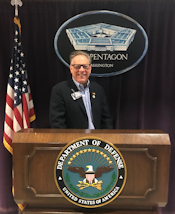
6th Annual Livingston Nanotechnology Conference 2010

Posted on December 8th, 2010 in Uncategorized | No Comments »

Scott Livingston, General Wesley Clark, Woodrow Clark, Ph.D, Nobel Peace Prize winner 2007, Vincent Caprio

Scott Livingston, General Wesley Clark, Woodrow Clark, Ph.D, Nobel Peace Prize winner 2007, Vincent Caprio

NbA Advises Members to Review – Nanotechnology Research Directions for Societal Needs

Posted on December 6th, 2010 in Uncategorized | No Comments »

Our good friend, Dr. Mike Roco http://wtec.org/nano2/#Coordinator would like to share with you “Nanotechnology Research Directions for Societal Needs in 2020.” Report Nano2 http://wtec.org/nano2/, which was placed for comments on Sept. 30 and posted in October 2010 is the international long-term view, with retrospective for the last ten years (2000-2010) and vision for the next ten years (2011-2020), prepared with input from leading experts from 35 countries (representing broader community for academic, industry and government stakeholders, including NNI). The full report, full set of slides and webcast are available on wtec.org/nano2/.

The next step is the preparation of the NNI three (2011-2013) year plan with what the US government agencies should do in regard to the bigger picture. This report has used the Nano2 report as input. The following step is the FY 2012 Annual Plan following the two reports: “Nano2 ten year Vision Long by 2020” report (Sept. 2010) and the 3-year Strategic Plan (Dec. 2010) as reference.

We encourage all members of the Nanotechnology Community to review the original report Nano2 http://wtec.org/nano2/.

NANO NEWS

NanoInk Hosts Future Nanotechnologists at Nano Open House
http://pr-usa.net/index.php?option=com_content&task=view&id=533441&Itemid=29

NCI $4 million grant supports cancer nanotechnology partnership between University of New Mexico and Sandia Labs
http://www.nanowerk.com/news/newsid=18924.php

Nanotechnology Stocks; mPhase Technologies (OTC.BB:XDSL) introduces new Active Reserve Battery for its mPower Emergency Illuminator
http://www.fastpitchnetworking.com/press/Nanotechnology%20Stocks%20mPhase%20Technologies%20OTC%20BB%20XDSL%20introduces%20new%20Active%20Reserve%20Battery%20for%20its%20mPower%20Emergency%20Illuminator%20.html

Regards,

Vincent Caprio “Serving the Nanotechnology Community for Over a Decade”
Executive Director
NanoBusiness Alliance
203-733-1949
vincentcaprio@nynanobusiness.org
www.nanobusiness2010.com
www.vincentcaprio.org

Nanotech companies thrive in economic downturn

Posted on November 29th, 2010 in Uncategorized | No Comments »

by Sarah Plumridge
Nov 22, 2010

While the economic downturn causes problems for local businesses, some companies have found a solution at a level so small it can only be seen using a specialized microscope.

Vincent Caprio, executive director of the NanoBusiness Alliance, says nanotechnology based companies are thriving.

Nanotechnology is the application of nanoscale materials and devices. One nanometer is a billionth of a meter.  A human hair is about 10,000 nanometers wide.

The NanoBusiness Alliance, based in Skokie, promotes the commercialization of nanotechnology companies and helps companies bring products to the market, Caprio said.

“Biotechnology and big pharmaceuticals pretty much don’t get affected by the recession,” he said.

Nano companies are succeeding because companies such as Intel, IBM, and other technology firms work at the nano level, Caprio said.  Because nano products produced by companies are embedded in other industries such as biotech, oil and semi-conductor manufacturing, there is no stand-alone nano industry, he said.

“We are doing pretty well,” said David Arthur, chief executive officer of SouthWest NanoTechnologies, in Norman, Okla. “We are not profitable yet, but hope to be profitable in the next few months.”

The company, which started in 2001, has hired 10 people in two months, Arthur said.

Its founder invented a process to make the highest quality nanocarbon products that are still affordable, Arthur said. The firm produce nanocarbon tubes, which are used in a wide number of applications such as printed electronics, touch screens and in batteries, he said.

“The company is at an early stage and beginning to ramp up in production,” he said. Most of these technologies will be in flexible materials that are coming out, Arthur said.

“If we are going to come out of the economy we are now in, then we need technology growth,” said Jim Hussey, chief executive officer of NanoInk, in Skokie, Ill. NanoInk is a nanotechnology company started in 2001 that developed Dip Pen Nanolithography technology to create products such as protein detection assays and instruments for nanoscale engineering, said Hussey.

“We are a several million dollar company and we are still here,” he said.

NanoBusiness Alliance Recommends Members to Comment on the Draft NNI Strategic Plan

Posted on November 23rd, 2010 in Uncategorized | No Comments »

INVITATION TO COMMENT ON THE DRAFT NNI STRATEGIC PLAN

Starting November 1, public comment is invited for thirty days on the draft Strategic Plan for the National Nanotechnology Initiative http://nano.gov/ (NNI), which is posted at the NNI Strategy Portal http://strategy.nano.gov/.

The NNI Strategic Plan is the framework that underpins the nanotechnology work of 25 NNI member agencies http://www.nano.gov/html/about/nniparticipants.html. It aims to ensure that advances in nanotechnology R&D and their applications to agency missions and the broader national interest continue unabated in this still-young area of research and development. Its purpose is to facilitate achievement of the NNI vision by laying out guidance for agency leaders, program managers, and the research community regarding planning and implementation of nanotechnology R&D investments and activities.

NANO NEWS

SouthWest Nanotechnologies presents new facts on Conductive Carbon Nanotubes
http://www.nanotechnology.org.in/southwest-nanotechnologies-presents-new-facts-on-conductive-carbon-nanotubes

VIDEO from NNCO Available on thenewsmarket.com: Nanotechnology Leading to New Ways to Protect Families With Fire-Retardent Consumer Products
http://www.prnewswire.com/news-releases/video-from-nnco-available-on-thenewsmarketcom-nanotechnology-leading-to-new-ways-to-protect-families-with-fire-retardent-consumer-products-106774943.html

Nanotechnology Has the Ability to Solve Problems in Agriculture
http://www.merid.org/NDN/more.php?id=2965

Colonic Navigation: Nanotechnology Helps Deliver Drugs to Intestinal Target
http://www.sciencemagnews.com/colonic-navigation-nanotechnology-helps-deliver-drugs-to-intestinal-target.html

Regards,

Vincent Caprio “Serving the Nanotechnology Community for Over a Decade”
Executive Director
NanoBusinenss Alliance
203-733-1949
vincentcaprio@nynanobusiness.org
www.nynanobusiness.org
www.vincentcaprio.org

NanoBusiness Alliance Interview – James M. Hussey, Chief Executive Officer, NanoInk, Inc

Posted on November 3rd, 2010 in Uncategorized | No Comments »

In this month’s interview, we talk to James M. Hussey, Chief Executive Officer and member of the Board of Directors of NanoInk, Inc. Mr. Hussey brings 25 years of experience in the pharmaceutical and biotechnology industry as executive, founder, investor and consultant to senior management and boards of directors. Prior to joining NanoInk, Mr. Hussey was with Ovation Pharmaceuticals, where he was a member of the senior operating committee, serving as Head of Alliances and Vice President of Corporate Development. He was President and CEO of NeoPharm, Inc., as well as a member of the Board of Directors and an investor/shareholder. In 1994, he founded Physicians Quality Care, a health care services IPA Management Company, which was sold to a public company in 1998. Prior to founding Physicians Quality Care, he was with Bristol Myers Squibb in Princeton, New Jersey, serving as General Manager as well as other positions in marketing, new business development and sales. Mr. Hussey holds a B.S. in Pharmacy from Butler University, Indianapolis, Indiana, and an M.B.A. from University of Illinois at Chicago.

In this interview, we talk to Jim about NanoInk’s technology, products and applications. We also explore how nanotech can be used to address nanotech EH&S issues and discuss the global competitive landscape. We hope you enjoy the interview. – Steve Waite

SW: Thanks for taking time out of your busy schedule to meet with us today, Jim. We are delighted to be able to speak with you. NanoInk developed and patented a paradigm-shifting technology called DipPen Nanolithography (DPN). Please give us an overview of DPN and its capabilities.

JH: Dip Pen Nanolithography was discovered by Chad Mirkin, et al at Northwestern University. DPN is the first direct write, direct deposit nanoscale fabrication technology. Unlike historical nanofabrication methods, it is possible to directly write and place a broad range of materials on a broad range of surfaces. It is now possible to directly write biologic materials at the nanoscale which has never been possible before. The new applications for DPN are growing almost on a continual basis.

SW: How does NanoInk’s DPN differ from conventional lithography like that used in the semiconductor industry?

JH: DPN is a direct write, direct deposit technology. Conventional lithographic methods use either masks or other resist technology to create nanoscale structures. The conventional lithography methods limit the materials used and applications that can be developed. These methods have very little relevance for biologic applications or materials.

SW: You and your colleagues have been focused on developing revenue-generating products and applications with your technology. What are NanoInk’s main products and applications?

JH: We currently have nine products and services in the marketplace. The products include our NanoGuardian products, our DPN-5000 and NLP-2000, NanoProfessor Nanotech Education program, NanoArray Kits and Nanoscale Contract Services.

SW: Counterfeiting is a large and growing problem in the pharmaceuticals industry. Tell us more about NanoInk’s Nanoguardian product and how it is being used to combat pharma counterfeiting.

JH: Most security experts believe product diversion leads to produce counterfeiting. Pharmaceutical product counterfeiting leads to theft of pharmaceuticals. According to many sources, each of these criminal activities is increasing at an alarming rate. NanoGuardian technology adds nothing to the product and can be placed on a pharmaceutical product (capsule, vials, tablets, syringes) at a very fast rate for a penny a dose. This allows tremendous levels of forensic information to be placed on each dose of medication without exposing the patient to any additional material. Unlike package level security features, it is impossible to separate the security from the product. At the same time, NanoGuardian technology can work with all current on package security to offer a layered protection for the pharmaceutical product.

SW: When you look at NanoInk’s nanofabrication business, what are the major opportunities you see during the next 3-5 years?

JH: I believe the development of nanoarrays for proteomics and genomics will be a major driver of this business. I believe that nanoscale arrays will quickly replace microarrays and microtitre wells due to performance and cost advantages. A second business will be cell based in vitro assays. DPN is unique in creating sub-cellular structures and a broad variety of surfaces. The ability to create sub-cellular structures for a broad variety of cell types will improve the performance, reproducibility and cost of cell based in vitro assays.

SW: NanoInk’s nano arrays business is enabling nanobio discovery. What type of work is being done with these products and services?

JH: We currently have customers using nanoarrays for both proteomic and genomic applications. Nanoarrays (1 micron diameter features) use 1 billion times less fluid than conventional microarrays. Sample fluid volumes are also 50-100 times less than conventional microarrays. In addition, nanoarrays can be offered in a high throughput assay format with 48 or 96 subarrays of 48 tests each. This format is SBS compatible with all current robotic handling systems in the market.

SW: Nanotech education is near and dear to our heart. Tell us more about NanoInk’s NanoProfessor product. How is it being received by customers?

JH: One of the four goals of the Nanotech National Initiative Strategic Plan is to train a US-based nanotechnology workforce. It is clear this training has not yet occurred. Most of the Green Technology jobs ended up overseas because we had not trained a US workforce. The NanoProfessor was a response to that strategic goal within NNI. The NanoProfessor program is a “turn-key” educational solution for 2 and 4 year colleges. It is not aimed at graduate programs in education which have already been developed.

SW: You’ve licensed your technology to many universities around the world. What kind of work is being done today with it?

JH: There is a lot of innovative biology work being done with DPN around the world. DPN has a unique role in solid state biology. The ability to create surface structures and environments for biology applications is unique to DPN. Fluidic handling has also been a real challenge in biology. Using DPN, it is possible to work with fluidics down to the attaliter (1×10-21 L) range as compared to nanoliters (1×10⁻⁷ L) today.

SW: There’s been a lot of research conducted at the intersection of biotech and energy over the past decade. Can NanoInk’s technology play a role in helping to foster a greater convergence in developing new types of clean energy?

JH: The President’s Council of Advisors on Science and Technology has dubbed the convergence of nanotechnology, biotechnology and information systems as the “The Golden Triangle.” The convergence of these three disciplines is opening up the field of solid state biology as never before. The possibilities are endless. Remember, the greatest and most sophisticated computer in the universe is the human cell.

SW: You recently gave a talk at the NanoBusiness Alliance conference in Chicago. For those who weren’t there, can you summarize for us how nanotech can be used to address nanotech EH&S issues?

JH: There is one overriding issue today with EHS including nanotechnology EHS. It is the lack of alternative (to animal) testing methods acceptable to government regulators. Today, any expansion of EHS testing is an expansion of animal testing. This is not an ideal situation.

There are a couple of programs we have discussed. One is Live Single Cell Toxicity assays. We know if we isolate the live single cells in nanoarrays, and then expose them to any compound, the response are much more uniform and predictable. The other program is a Rodent Toxicity Assays where we can test changes in organ specific biomarkers to measure toxicity. There is no need to sacrifice the animals during this testing. It is the first example of sparing animals and still collecting EHS data.

SW: You’ve spent a lot of time talking and dealing with regulators in various government agencies. Do you get the sense they understand that nanotech can play a role in addressing nanotech EH&S issues?

JH: In order to reduce the reliance on animal testing, it is critical to have policy-makers at EPA, OSHA and FDA agree to the suitability of these testing methods. Until the regulatory agencies are comfortable with testing methods that do not use animals, there will be little use of these methods by companies testing compounds for EHS issues.

SW: NanoInk’s business has been expanding outside of the United States. Where are the biggest opportunities for NanoInk overseas today?

JH: We are seeing a lot of interest in the EU and the Far East.

SW: When you travel to other countries, do you get the sense they are becoming more competitive in nanotechnology versus the U.S.?

JH: For sure. Across the globe, the interest in nanotechnology and nanofabrication has really taken off in the last few years. I cannot think of a major country that does not have a nanotechnology initiative. The competition is very real and very high right now.

SW: In your view, what’s the biggest impediment to the development and commercialization of nanotechnology in the U.S. today?

JH: I think we need more serial entrepreneurs and venture capitalists that understand and are willing to invest and commercialize nanoscale research. Once we achieve critical commercial mass in nanotechnology, like biotechnology and information systems did, we have the opportunity to dominate nanotechnology for a long time.

SW: One more question for you today, Jim. What excites you the most about the potential of nanotechnology and NanoInk’s role in enabling nanotech products and applications?

JH: We are in the very early stages of the bio-nanotechnology industry. I believe that nanotechnology, and specifically dip pen nanolithography, is the key to understanding molecular biology.

SW: Thanks again for your time, Jim. We really enjoyed speaking with you and wish you and your colleagues at NanoInk all the best in the future.

Thank you, Jim, for a fascinating interview.

Last week I was in Rockford, IL attending the Fabricators and Manufacturers Association www.fmanet.org Board Meetings. The FMA has a new magazine, Green Manufacturer www.greenmanufacturer.net that I highly recommend. The September/October 2010 issue has a great article http://www.greenmanufacturer.net/article/tc/sage-supplier-lowering-costs-of-lithium-ion-batteries-for-ev-power-trains titled, “Sage Supplier: Lowering costs of lithium-ion batteries for EV power trains.”

Next week I will be participating at the Nanoinformatics 2010 www.nanotechinformatics.org Conference, November 3rd-5th at the Holiday Inn National Airport in Arlington, VA. I have the honor of introducing Nanotechnology Icon, Dr. Mihail C. Roco http://www.nsf.gov/eng/staff/mroco.jsp (National Science Foundation) at the banquet dinner on Wednesday, November 3rd.

I hope to see many of you in Arlington, VA next week.

Regards,

Vincent Caprio “Serving the Nanotechnology Community for Over a Decade”
www.nanobusiness2010.com
www.vincentcaprio.org
Executive Director
NanoBusiness Alliance
203-733-1949
vincentcaprio@nynanobusiness.org

Review – 9th Annual NanoBusiness Alliance Conference, Sept 27-28, Chicago, IL

Posted on October 18th, 2010 in Uncategorized | No Comments »

The NanoBusiness Alliance hosted our 9th Annual NanoBusiness Conference on September 27-28th in Chicago, with two days of individual presentations and speaker panels plus a company showcase. Many participants stayed an additional day to network with colleagues from the Water Innovations Alliance, which co-located with the NbA for the second year.

Our conference began Monday morning September 27th with a power-packed session led off by former NbA Executive Director Sean Murdock, now CEO of Nanosonix. Sean gave his perspective on the effects of the recession on the innovation ecosystem and urged the members of our community to think about how their personal actions, as innovators and investors, can make a difference in the ultimate success of nanotechnology. He gave some historical perspective on public and private investments in nanotechnology, reminding the audience that we are still working in a very young field. He noted that this fact makes us especially vulnerable to the effects of the broad decrease in venture capital investments and other private financing which began two years ago. Public funds and public-private partnerships are thus more important than ever. Murdock said that an increase in the overall scale of investment in commercialization activities from U.S. source is essential in order to effectively capture the value of the extensive taxpayer investment in nanotechnology.

The second presenter in the opening session was Nanosphere President and CEO William Moffitt. Bill noted we were meeting amidst the very active and positive Chicago nanotech community. Nanosphere and their neighbors are leading innovators in applying nanotechnology to develop new medical diagnostics and therapeutics. He also noted that the transition from lab science to commercial technology often takes decades, but showed that Nanosphere is well on the way to commercializing the conjugated gold nanoparticles that Chad Mirkin of Northwestern University first developed in 1997. Nanosphere’s Verigene system based on this technology is FDA approved for several in vitro tests, and the company continues to expand that product line. Offering rapid, highly selective, amplification-free testing of genetic materials, Moffitt believes this technology will eventually replace the two major biomedical breakthroughs of the last 40 years – immunoassays and PCR-based genetic testing. Nanosphere’s test for troponin, for example – a protein complex released into the blood stream during a heart attack – is far more sensitive than the conventional assays commonly used in hospital emergency rooms. These kinds of tests will first be used for medical conditions that are both widespread and expensive to treat. As their cost comes down into the $10 range, however, many additional indications will become attractive.

Intel’s Government Programs Manager, George Thompson, followed with his own take on where nanotechnology fits in the story of American innovation. Thompson, who manages Government Programs for the semiconductor manufacturer, emphasized that innovation (as opposed to invention) takes place in a context that depends heavily on culture. While the U.S. reputation for innovation is rightfully strong, he noted that our science and technology culture has changed significantly in the days since, for example, the semiconductor revolution began. We are still the innovation leaders by most measures, but our lead is disappearing. When the transistor was first developed, Bell Labs (as the research arm of a regulated monopoly) functioned almost as a federal technology R&D center. Department of Defense investments and the in-house relationship with Western Electric brought the transistor through the valley of death. Thompson noted that his industry’s ability to continue innovating rapidly – following what we all know is Moore’s Law – is based on an unusual property of transistors: they get better as they get smaller. He urged us to think about where else nanotechnology may enable synergies that allow for multiple generations of product improvements. George gave several examples illustrating the previous speakers’ remarks that we should be patient given the typical 15-year-plus timescale for technology development and acceptance, and then refined that view with two observations: 1) our accomplishments to date are by no means insubstantial, and 2) long-term development calls for a strategic, long-term view. In the United States it is rare to find that view outside of government, but public-private partnerships offer industry a good mechanism for participating in extended development. Right now, we are net exporters in only a few industries: raw materials, airplanes, entertainment, and services. It will take planning to change this, especially given the coordinated efforts taking place in other countries.

Illinois Congressman Daniel Lipinski capped off our opening session with remarks about the economy, the political climate in Washington, and how nanotechnology plays into his hopes for his own district. As most of our readers know, Congressman Lipinski is a member of the House Science Committee and a long-time supporter of the nanotechnology community, and was an important force in moving reauthorization of the National Nanotechnology Initiative through the House. Unfortunately, he told us, we’re unlikely to see imminent action from the Senate on NNI reauthorization or the Small Business Innovation programs (SBIR & STTR). In fact, some of his congressional colleagues are opposed to any Federal funding for commercialization activities. But he promised to continue to push for these bills and other mechanisms to help turn the last decade’s $12B Federal investment in nanotechnology into successful companies providing new American jobs. As the representative of an urban and middle class suburban district with a long manufacturing tradition, Congressman Lipinski is counting on us to help reinvigorate his local economy with products built here, not in China or Japan. You’ll find the full text of Congressman Lipinski’s address online at http://bit.ly/lskiNBA2010.

Following the plenary session, attendees had two tracks from which to choose. Dave Arthur of SouthWest Nanotechnologies and Michael Lefenfeld of SiGNa Technologies led off the Innovations in Nanotechnology track with updates on their company’s stories, after which Glenn Killoren (Barnes & Thornburg) led a panel entitled “Recent Trends in Buying & Selling Your Nanotech Company”. Mike Pellegrino (Pellegrino & Associates), Curt W. Hidde (Barnes & Thornburg), and Thomas Churchwell (Midwest Venture Partners LLC) rounded out the discussion.

At our EH&S track, Lynn Bergeson, Partner, Bergeson & Campbell, moderated a panel which reviewed regulatory and policy issues nanotechnology companies face. Rosalind Volpe of the Silver Nanotechnology Working Group updated NbA members on the progress her group has made in working with the EPA to clarify the status of nanosilver under the Federal Insecticide, Fungicide and Rodenticide Act since she first addressed us during last March’s Alliance meeting in Washington, DC. Evonik’s Shaun Clancy, who has been an active participant in ISO and OECD nanotechnology groups, updated us on international standards activities related to nanomaterials safety, as well as work among U.S. chemical trade associations. Kenneth Moss from the EPA’s Office of Pollution Prevention and Toxics discussed the agency’s current thinking regarding nanomaterials under the Toxic Substances Control Act, noting many similarities to the approach the agency took with biotechnology. Nina Horne, a City Commissioner in Oakland, CA and a delegate to the OECD’s Working Party on Manufactured Nanomaterials, has been closely monitoring the California Department of Toxic Substances Control work on nanotechnology under its green chemistry initiative. She urged all nanomaterials manufacturers to look carefully at the California calls for data and proposed requirements, which could be much more prescriptive than what other states and the Federal EPA are doing. Philip Lippel, a member of our advisory board and a consultant on nanoscience and emerging technologies, summed up the morning EHS session with comments on how these developing issues fit into the overall picture of regulation and public acceptance for nanomaterials and nanotechnology more generally. The group reconvened later in the day for a freewheeling discussion with interested attendees regarding the developing regulatory landscape and opportunities for NanoBusiness Alliance members to work together in this area. Lynn Bergeson invited all interested parties to contact the EHS committee members to discuss how the NbA can promote product safety and ensure that companies have clear paths for complying with applicable regulations.

Two distinguished speakers addressed the conference during lunch – Clayton Teague, Director of the National Nanotechnology Coordination Office, and George Scalise, President of the Semiconductor Industry Association. Dr. Teague spoke of the high priority in the Office of Science and Technology Policy for research related to climate change and clean, sustainable energy. He urged everyone to look at Presidential Science Advisor John Holdren’s recent Kavli Prize Symposium speech on the subject, available at http://bit.ly/JHoldren_Kavli. Then he thanked NbA members for their participation in the strategic plan review process for the National Nanotechnology Initiative and said the updated strategic plan is on target for release in late December. There will be no substantive changes to the overall NNI goals, but the agencies are working hard to include much more specific objectives and milestones pursuant to those goals. Mr. Scalise followed with a presentation that emphasized the importance of sustained R&D to the semiconductor industry as it seeks a new nanoscale switch to replace the CMOS transistor. As detailed in the International Technology Roadmap for Semiconductors, CMOS will reach its ultimate size and performance limits in just a few more generations, sometime around 2015. The Nanoelectronics Research Initiative, in which SIA partners with NSF and NIST, is intended to ensure that the U.S. maintains its leadership as the semiconductor industry discovers and develops new technologies to extend Moore’s Law beyond the CMOS era. As such, it is perhaps the premiere example of the kind of public-private partnership so many of our speakers touted as essential to the successful commercialization of America’s nanotechnology know-how.

After lunch, the EHS track continued with an extension of the morning panel discussion, followed by Don Ewert’s (OSO BioPharmaceuticals) presentation on how nanoEHS issues are handled in an industry with well-established industrial toxicology practices. Meanwhile the commercialization track continued, starting with an Intellectual Property panel moderated by Dr. J. Steven Rutt (Foley & Lardner LLP) and featuring Neil Kane (Advanced Diamond Technologies), Stephen G. Wasko (Wasko Associates), Sven Riethmueller (Foley & Lardner LLP), Dr. Jeffrey R. Lomprey (Foley & Lardner LLP) and Mark Kaczor (University of Illinois at Urbana-Champaign). They discussed changes in patent law and policy that affect nanotechnology along with other emerging technologies. They noted a wide variation in the sophistication among university licensing offices (which are so often involved with nanotech startups), noting that some give broader licenses than they should to companies with the ability to commercialize only in limited areas. We are beginning to see government march-in rights asserted in some of these cases, as allowed under Bayh-Dole to ensure that government-funded research is widely commercialized.

Doug Jamison and Alexei A. Andreev, both of Harris & Harris, followed with the first of several discussions of the venture capital climate. They shared their perspectives on ten years of nanotechnology investing, including H&H’s investments in 31 nanotech or microsystems companies. Alexei noted that people tend to overestimate the short-term impacts of a new technology and underestimate its long-term impacts. H&H itself was guilty of this, he said, in terms of underestimating the necessary capital investments and development timescales. On the other hand, they are seeing a higher percentage of companies survive and slowly build revenues than they originally expected. Harris & Harris feels that small VC firms, and a new breed of serial investors he calls superangels, are carving out a distinct role from larger VC firms. Superangels are particularly well suited for Web 2.0 companies, for example, where there is no visibility into the end market but one can quickly and cheaply build a first product to assess it. Large firms are drawn to industries like biotech, where the potential market and costs of competing technologies are easier to predict but the development risks are very high. H&H continues to feel that nanotechnology is a good fit with their middle ground investment strategy, which is to bet not just on cool technologies but on companies with well-defined products and identified niche entries to the market. Doug expanded on these ideas in the penultimate plenary session of the day, giving a detailed description of Harris & Harris’ portfolio of companies in cleantech, electronics, healthcare, and other industries. He divides these investments into three development stages, and noted that interested Alliance members can easily track their progress through these stages via the company’s 10K filings. He concluded by saying it is unclear how the VC community will develop in the next few years. The well-known paucity of early stage deals recently may be partially alleviated by the rise of superangels, for example, but so far they have operated almost exclusively in the internet arena, plus a few cleantech deals.

Lux Research’s Jurron Bradley closed out the first day’s talks with a summary of Lux’s onboard intelligence regarding the nanotechnology community. He noted that government and corporate sponsorship for nanotechnology R&D each amounted to about $8.5B worldwide in 2009, with important U.S. and non-U.S. investments in both categories. Approximately $500M was added to USG funding through the American Reinvestment and Recovery Act. On the VC side, 6 of the top ten deals were in healthcare, with energy and environmental technologies also remaining strong despite the overall 42% decrease in VC funding vs. 2008. Nano companies received VC funding for improved batteries and for filtration products (both water and air). Lux sees the VC pie as stable or shrinking slightly in the next two to three years. Lux maps nano R&D on a two-dimensional Innovation Grid, with Business Execution and Technical Value as the axes. When they apply this methodology on a country-by-country basis, the U.S. remains at the top in technical value but is in the middle of the pack on business activity/execution, crossing over into what they call the ivory tower quadrant. Japan and Germany, in contrast, have high scores on both axes, while Singapore’s targeted electronics R&D makes them a good example of a niche player with excellent execution in limited fields. One area where Russia excels is in workforce training, but they do a poor job of utilizing their highly educated workers. In contrast, the U.S. falls short of its peers in producing degreed scientists and engineers, a weakness which must be addressed if we are to move squarely into the dominant sector of the Lux Innovation Grid.

On day two of the conference, the plenary sessions were shared with the Water Innovations Alliance. The morning session gave NbA members a chance to hear several big players in the water industry talk about how their companies innovate, with presentations from Don Thompson, President of the Oil Sands Developers Group, representing companies active in the Athabasca oil sands region of Alberta, Canada; William F. Wescott Ph.D., VP for Innovation-Americas at French water giant Veolia Environnement; and Mark LeChevallier, PhD, Director of Innovation & Environmental Stewardship for American Water, the largest investor-owned water and wastewater utility company in the United States. After splitting off from our water colleagues, we heard from Jim Hussey, CEO of one of the Chicago area’s leading nanotech companies, NanoInk. Jim described the potential for using nanotechnology-based testing to develop test data as input to the regulatory process for nanomaterials. Jim emphasized that alternative test methods could reduce the time and cost of testing while reducing the reliance on animal-based methods. He called for support for a correlative testing program which would validate these new testing methods. The morning session concluded with an update on the regulatory environment from Thompson and Hine lawyers Fern O’Brian and Thomas Feher. They reviewed the EPA’s methodology for addressing nanomaterials under various sections of the TSCA and FIFRA laws, including possible effects of proposed changes to TSCA and the evolving regulation of cosmetics under current FDA authorities. They noted that the TSCA reform bill introduced in the House of Representatives shifts the burden of proving safety to the manufacturer, for example by requiring them to show that aggregate and cumulative exposure to a substance or mixture results in no harm. Meanwhile there is an evolving body of sometimes conflicting scientific and medical research regarding the safety of nanotechnology, and a tendency on the part of the public to lump all nano together in this respect. These all add up to a legal environment in which companies must consider the potential for design defect claims, latent undetected exposure, and complex causation scenarios leading to highly individualized case-by-case litigation. A company can limit its risk by assessing the safety and environmental impacts of its products early on, keeping abreast of evolving science and medical knowledge, tracking and complying with evolving standards and practices, and developing strong internal policies and procedures regarding EHS. Furthermore, they should monitor post-sale product complaints and adverse event reports and respond to them appropriately, remembering that regulation alone does not eliminate potential liability – a company’s conduct must be reasonable in light of all circumstances.

Tuesday’s luncheon keynote brought us back together with the water group to hear Deputy Assistant EPA Administrator Michael Shapiro review the condition of our surface and drinking waters as we approach the 40th anniversary of the Clean Water Act. He reminded us that the CWA and the Safe Drinking Water Act, enacted a few years later, had been instrumental in bringing major pollution sources under control and making secondary treatment of wastewater nearly universal, but noted that we add more waterways to the impaired list each year than we remediate. Many native fresh water species are in danger of extinction, and pollutants such as hormone disruptors are widely detected yet poorly understood. As our population increases and land use changes, we are in danger of losing many of the gains of the last 4 decades. The resolution of this dilemma will require new legal approaches as well as new technology for real-time monitoring and for remediation. The EPA is now taking public comment on how to approach new contaminants threatening our drinking water. Their actions to date have more or less been on an individual pollutant basis, but with a growing backlog they are now considering efforts to group substances either by chemical and biological characteristics or by treatability.

After lunch we again had two nano tracks, the first focused on nanomedicine and the second on transitioning from R&D to commercial production. Mostafa Analoui, Head of Healthcare and Lifesciences for Livingston Securities, led the nanomedicine track. Dr. Analoui noted that the economic turndown had broadened the valley of death, but pointed to the recently announced $2.9B acquisition of Abraxis Bioscience by Celgene as a milestone for first-generation nanopharmaceuticals. Panelist Piotr Grodzinski, the director of the National Cancer Institute’s Alliance for Nanotechnology in Cancer, described the Alliance’s work supporting academic and industry researchers, including the innovative collaboration with NIST and the FDA to help them transition therapeutics into clinical settings via the Nanotechnology Characterization Laboratory. He updated us on the progress of several liposomal or polymeric nanopharmaceuticals through the clinical trial process, and noted the important opportunity to utilize nanoscale delivery mechanisms for difficult-to-deliver molecules such as siRNAs. Sarah Lee of Baxter Healthcare and Anil Diwan of NanoViricides then each described their company’s nanotechnologies. Baxter is working on reformulations of several compounds as nanoscale solids, coatings, or suspensions; Dr. Lee used their work on improved delivery of paclitaxel to ovarian tumors as a case study. NanoViricides has developed a platform technology which mimics cells from the virus’s perspective. Viruses try to attack the company’s nanomicelles, but they unfold, encapsulating and deactivating the virus. The company has the potential to develop specific nanoviricides targeting Dengue, Marburg, Ebola, HIV, or many other viruses and is also developing a technology which would allow field development of a product for rapid response to novel viruses. The company has recently raised $12M which will enable expansion of their testing program. Ioannis Tomazos, CEO of Biorasis was the next speaker. Dr. Tomazos expects the company’s implanted sensors, which use nanogels for biocompatibility and communicate with the external world via wireless transducers, to find their first successes in animal use, for accelerated drug development. Once they have developed and validated accuracy standards for human use, Biorasis foresees application as a continuous glucose monitor. The final three nanomedicine panelists were Winton Gibbons, Sr. Vice President of Business Development for Nanosphere; Percy Van Crocker, Jr, Vice President, Commercial Development, AuraSense, LLC; and Dr. Rangaramanujam M. Kannan, Professor of Chemical Engineering and Materials Science, and Biomedical Engineering, Wayne State University. Gibbons elaborated on Nanosphere’s nucleic acid detection and protein diagnostics technologies, previously discussed on Monday by Bill Moffitt. Mr. Crocker discussed AuraSense’s products, also originating from the conjugated gold nanoparticle technology developed at Northwestern University, for therapeutic use (gene regulation, synthetic HDL) and for assaying genetic material within cells. Professor Kannan discussed his group’s work at Wayne State using nanodevices based on dendritic polymers conjugated to drugs and imaging agents.

Meanwhile, two successive panels discussed issues regarding how to cross the commercialization gap. Skip Rung of the Oregon Nano and Microelectronics Institute led the first panel, in which several Oregon companies joined ONAMI Gap Fund Manager, Jay Lindquist, to discuss their state’s innovation ecosystem. Panelists included Walt Weyler of Crystal Clear Technologies; Mark Owen of Puralytics, and Mike Brown of Zaps Technologies. The second panel, moderated by Todd G. Vare (Barnes & Thornburg LLP) and featuring Jon Belkowitz (Intelligent Concrete, LLC) and Craig Bandes, (Pixelligent Technologies) emphasized the value of building strong relationships with government entities willing and able to be first customers.

Our conference concluded with two very different but equally inspiring scheduled talks by superstars of the water community, plus a bonus address by a distinguished visitor. Professor Mark Shannon of the University of Illinois talked about the fomenting revolution in water, discussing a myriad of technical solutions to the wide variety of supply and treatment issues around the world. NbA members familiar with Mark’s work won’t be surprised to hear that many of these solutions involve nanotechnology. Mark was followed by a special guest who became available to speak after our programs went to press, Vepo Ragayer of the International Finance Corporation. As a private finance group operating within the World Bank Group, the IFC aggressively funds programs in the developing world that are focused on climate change and environmental sustainability. They will provide about $20B in debt and equity financing during FY2010, of which about $1B will go to water infrastructure projects that will impact an estimated 35 million people. They hope to triple the size of the water program in the next three years. The conference closed with an inspiring presentation by Explorer & Aquatic Environmentalist, Fabien Cousteau, who is carrying on in his grandfather’s tradition to make the public aware of the fragile beauty of oceans.

I would like to thank our attendees, speakers and sponsors who contributed to our success in Chicago.

Regards,

Vincent Caprio “Serving the Nanotechnology Community for Over a Decade”
Executive Director
NanoBusinenss Alliance
203-733-1949

vincentcaprio@nynanobusiness.org

www.nanobusiness2010.com  
www.vincentcaprio.org

NanoBusiness Alliance Interview – Doug Jamison, CEO, Harris & Harris Group, Inc

Posted on October 4th, 2010 in Uncategorized | No Comments »

We have just finished our 9th Annual NanoBusiness Alliance Conference http://www.nanobusiness2010.com/ in Chicago, IL. On Monday afternoon we had the opportunity to hear a Keynote Speech delivered by Doug Jamison http://www.tinytechvc.com/team.cfm, CEO of Harris & Harris http://www.tinytechvc.com/index.cfm (TINY). Doug’s 10 year analysis of the Nanotechnology market was relevant and pragmatic.

In this interview, we talk to Doug about the state of the venture capital business and how it is impacting the nanotechnology community. We also explore some of the nanotech investments Harris & Harris Group have made over the past decade and discuss the firm’s strategic direction. We hope you enjoy the interview. – Steve Waite

Doug Jamison, Chairman of the Board, Chief Executive Officer and Managing Director, Harris & Harris Group, Inc. Mr. Jamison has served as Chairman and Chief Executive Officer since January 2009; as President and Chief Operating Officer from January 2005 to December 2008; as Treasurer from March 2005 to May 2008; as a Managing Director since January 2004; as Chief Financial Officer from January 2005 to December 2007; and as Vice President from September 2002 to December 2004. He has been a member of the Board of Directors since May 2007. Since January 2009, he has served as Chairman and Chief Executive Officer of Harris & Harris Enterprises, Inc., a wholly owned subsidiary of the Company, since 2005, he has served as a Director; and from January 2005 to December 2008 he served as President. From 1998 to 2002, Mr. Jamison worked as a Senior Technology Manager at the University of Utah Technology Transfer Office, where he managed intellectual property for the University of Utah. This included assessing technologies in both the biological sciences and the physical sciences, working with patent attorneys to develop patent protection, and developing and marketing these technologies with industry. He is a Co-Editor-in-Chief, Journal of Nanotechnology Law & Business and Co-Chair of the Advisory Board, Converging Technology Bar Association and a member of the University of Pennsylvania Nano-Bio Interface Ethics Advisory Board. He was graduated from Dartmouth College (B.A.) and the University of Utah (M.S.).

SW: We are delighted to be able to speak with you today, Doug, and appreciate your time. There is a lot to discuss. Let’s start off talking about the structural changes witnessed in the public capital markets over the past decade and what that means for companies bringing nano-enabled products to market. What are the big changes we’ve seen and how have they impacted the venture capital business and the nano community in particular?

DJ: There have been multiple structural changes in the public markets over the past decade, but the ones we are most concerned about are the changes that have occurred in the market for companies with less than $500 million market capitalizations. David Weild and Edward Kim recently detailed some of these structural changes in an article titled, “Market structure is causing the IPO crisis – and more.” The rise of online brokerage has destroyed the incentive for brokers to discover small capitalization companies and to help these companies communicate their stories to the public markets. Decimal pricing for stocks and options, while making the greater market more liquid has eliminated the incentive for market makers to put their capital at risk, creating less liquidity for the smallest public companies. Regulation Fair Disclosure devalued stock research. Capital markets infrastructure for the smallest public companies has continued to erode. Initial Public Offerings (IPOs) that raise below $50 million have declined precipitously after 2000. IPO candidates now need to be larger and more mature before accessing the public markets. The result of these structural changes has been a steep decline in publicly listed companies on U.S. based exchanges (NYSE, AMEX and Nasdaq). The authors above trace this decline in listings to 22 million potential jobs that have been lost across the economy. For the United States, the problem is compounded by the fact that these changes are happening in an environment in which other countries’ exchanges have been increasing the number of listed companies and the number of public companies listing outside the United States is increasing.

The impact for the U.S. venture capital community is that venture capital as an asset class is now experiencing negative returns. This will result in less capital flowing to venture capital as an asset class which may translate to less capital being made available for small, innovative, high growth companies. Nanotechnology companies, which are naturally capital intensive, will need more capital and need to be more mature than was historically the case before the potential for an exit opportunity emerges. These companies could be required to identify alternative sources of capital than the venture capital community. That said, there are a number of nanotechnology companies that have successfully raised significant amounts of capital which says a lot about the quality of these nanotechnology companies.

SW: Harris and Harris Group (H&H) continues to be laser-focused on nanotechnology despite the lack of activity in the IPO markets to date. Has there been a drop off in the number of U.S.-based venture firms engaged in nanotech financing activities due to these structural changes?

DJ: From the beginning, there hasn’t been nanotechnology-focused venture financing. Venture capitalists have remained focused on industry verticals and end markets applications. This has been beneficial for us, as we have been able to become a leader investing in nanotechnology while being able to partner with some of the best venture firms in their respective industry of expertise. Additionally, in the areas we invest in, such as energy, healthcare, electronics and semiconductors many exciting breakthroughs occur at the nanoscale. As an early stage venture investor, that has led to significant interest in some of the early stage companies we have financed. For instance, in our cleantech portfolio, we are the first institutional investor or a member of the first group of institutional investors in eight of our 12 investments, many of which have raised additional capital from top-tier institutional investors. That said, the active venture capital community is getting smaller, and fewer venture capital firms are making new investments in all markets, not just those enabled by nanotechnology.

SW: You mentioned in a previous conversation that we are seeing a bifurcation in the venture capital sector. What is the significance of this and what are the implications for companies for the nanotech community?

DJ: We are seeing venture capital firms with under $200 million in assets under management becoming more focused on investment opportunities that will require less than $15-30 million in invested capital over their lifetime. This means that these firms may invest less with the larger venture firms and partner with other smaller firms that have the same venture economics. Larger firms with capital to invest are currently in a better position, because these firms can write the large checks required for companies that need to be more mature before reaching an exit opportunity. I think this bifurcation is positive as it is forcing venture funds to find a business model that works for their respective asset sizes.

For the nanotechnology community, this bifurcation means that entrepreneurs need to be knowledgeable of their investors’ assets under management and how much available capital these investors have, what we call “dry powder.” This will dictate the strategy of the investor and the direction the investors will force the company to take. Entrepreneurs will need to make sure their vision of the company, their investment requirements and the time to exit are compatible with their investors. Ultimately, because increases in valuations are more difficult to achieve even for companies that are executing flawlessly against their business plan, entrepreneurs will also need to find ways to grow their companies with greater capital efficiency.

SW: Despite the structural changes and the evaporation of all the nano hype on Wall Street we saw earlier in the previous decade, one gets the sense that nano as an enabling technology is ready for prime time. What’s your assessment?

DJ: By this point in the interview, the reader is probably horrified by the future prospects of venture capital investing. However, even in a very difficult venture investing climate and in a very difficult economy over the past two years, companies enabled by nanotechnology have been maturing. I will focus on our portfolio because I know it well, but the maturing of nanotechnology-enabled companies is occurring across the board.

In our portfolio, we classify our investments into three maturity baskets early stage/technology risk, mid stage/market risk and late stage/expansion risk. We have eight companies in the latter basket. Of these, Solazyme, Xradia, NeoPhotonics, Bridgelux, Molecular Imprints and Metabolon all had record revenue years in both 2008 and 2009. Five of these companies could each generate more than $20 million in revenue in 2010. NeoPhotonics recently reported record second quarter 2010 revenue of over $45 million, and the company was over $2.5 million net income positive in the second quarter alone. In this late stage/expansion risk basket, we also have BioVex, which is in Phase III clinical trials in malignant melanoma.

Even in our mid-stage/market risk basket, these nanotechnology-enabled companies are advancing rapidly. Nanosys recently signed two partnerships, one with LG Innotek and one with Samsung Electronics, both of which will lead to significant growth in revenue in 2011. Innovalight has signed agreements with JA Solar and Yingli Green that will lead to growth in revenue in 2011. Mersana Therapeutics signed a $334 million partnership with Teva Pharmaceuticals for one of its therapeutic programs. Over two thirds of our nanotechnology portfolio has strategic partners and investors, many of which could become potential acquirers of these companies.

Eight years into our focus on nanotechnology, I would say that maturity, defined by product revenue or partnering activity, and not just by capital raised, is in line with our expectations. The number of companies in our portfolio that have a chance at success exceeds our expectations currently. This indicates to us that nanotechnology enables real innovation in the markets where it is focused, and that the impact on these markets is occurring now rather than multiple years from now. The poor economy and the resulting investment climate probably have been helpful in allowing us to discover the companies that won’t succeed earlier, thus permitting us to use our capital for the potential winners.

SW: There is some fascinating research and development going on within the H&H nanotech portfolio. Can you share some of the highlights with us?

DJ: Many of our more mature companies have been quite public with announcements over the past six months. You can access their announcements and view their progress on our web site at http://www.hhvc.com/releases.cfm?Year=&ReleasesType=&PageNum=1. We have one young company that is beginning to gain traction in the 3-D cinema market, which is an area that has gained a lot of press recently.

Laser Light Engines (LLE) develops solid state light sources for digital cinema and large venue projection display. The founding technology is based on two important nanotechnology-enabled innovations: 1) the ability to use the combination of inexpensive laser materials and amplification to reach high brightness levels and 2) the ability to convert infrared light into red, green and blue light, separately. The company will manufacture a light source module that can be incorporated in a standard digital cinema projector used by theaters for 2D and 3D movies. LLE recently announced an agreement with IMAX Corporation whereby LLE will develop a custom version of its laser light technology for use in IMAX digital projection systems.

SW: From your vantage point, what key industries in the U.S. are intensively engaged in nanotechnology research and development?

DJ: As I mentioned previously, because many of the advances in science and technology are occurring on the nanoscale, many industries are actively involved with nanotechnology research and development (R&D). In healthcare, the areas of drug delivery, vaccines, personalized medicine and molecular diagnostics are actively engaged in nanotechnology R&D. The semiconductor and electronics industries have been actively engaged in this type of R&D for the past decade. Specifically, next generation chip technology, printable electronics, new transparent conductors and thermal management technologies are developing rapidly. In cleantech, the areas of solar, batteries, power management, biofuels and LEDs are all very active.

SW: H&H currently has 31 private companies in its portfolio. Do you expect any of them to come public within the next 6-12 months and if so, which ones?

DJ: I cannot provide you with many of the names, but currently, NeoPhotonics has filed an S-1 for an IPO. We have two other companies that have engaged bankers for potential sales of their company over the coming 12 months. If the investment climate and the economy are able to stabilize, we believe we may have at least two or three more opportunities for exit events over the coming 18 months. That said, there can be no assurance that these events will occur and a variety of factors, including stock market and general business conditions, could lead any or all of these events to be postponed or not to occur at all.

SW: What is the environment for mergers and acquisitions in nanotechnology today? Do you expect to see more nanotech M&A activity in the future?

DJ: We expect merger and acquisition (M&A) activity to increase over the next few years. Companies have record levels of cash on their balance sheets. These same companies have been forced by the economy and their shareholders to reduce spending and cut costs. In an environment of very slow economic growth over the coming years, these companies will still be asked to deliver profit growth. Now that expenses have been cut and pipelines depleted, these companies will need to turn to innovative growth companies. In the area of energy, healthcare, electronics and semiconductors, we believe that rapidly maturing nanotechnolgy enabled companies, some of which are even generating positive cash flows now, are beginning to be viewed as likely candidates for M&A activity.

SW: You recently wrote a letter to your shareholders that marks a change in strategy at H&H. Tell us about the shift and why you are excited about it.

DJ: We believe some of the structural changes in the market place for both private and public investing have created opportunities for us to expand our strategy. We will remain focused on providing venture capital for nanotechnology enabled companies, but in addition to private venture capital investments, we will also make public venture capital investments and engage in providing debt to nanotechnology enabled companies.

Our public venture capital investments will be focused on the smallest market capitalization, typically companies below $100 million with a sweet-spot in the $50 million market capitalization range. Currently, when compared to equivalent private companies, we believe these public companies are undervalued. We also believe these companies provide us with an opportunity to realize more frequent returns as we believe our time from investment to exit will be 12-24 months rather than 7-10 years for some of our private investments. We believe these companies have the potential to offer venture capital returns in this shorter period of time.

Additionally, credit remains extremely expensive or unavailable for even the strongest small private companies. We have an opportunity to secure favorable terms on debt we provide for companies we know well or work with through our venture investing activities. In addition to fees and monthly principle and interest payments, we may receive warrants in these investments. Many nanotechnology enabled companies are currently producing revenue and some have positive net income. We believe providing venture debt permits us to generate near-term cash flow with a defined period for return on our investment.

SW: When you make an investment in publicly traded nano cap companies, what are some of the characteristics you look for in the company? Would you ever consider taking them private at some point?

DJ: In publicly traded nano capitalization companies we look for the following: companies bringing exciting nanotechnology enabled products to market; public companies that are undervalued in comparison to equivalent private companies; opportunities where additional capital is the primary requirement for the company to execute on its strategy and where the company raises enough capital to remove the financing risk; companies with a defined pathway to increased trading liquidity in their stock; and companies that attract long term investors rather than quick “flipping” hedge funds. We currently don’t have plans to take companies private, but it is certainly within our mandate to do so if the right investment opportunity were to arise.

SW: What has been the response of publicly traded companies you have invested in thus far? One would assume that they are delighted to have H&H on board, especially given all the experience and resources you can bring to table.

DJ: The publicly traded companies we have spoken with are interested in attracting long-term, fundamental investors that understand their business. This describes us well as venture investors. Additionally, these companies appear interested in the 15,000 plus shareholders in TINY that will be introduced to their company through our investment.

SW: I would imagine with 31 private investments that analysts and investors on Wall Street find it difficult to value H&H’s stock. What kinds of things do you do to help educate and enlighten analysts and investors on your business?

DJ: Valuing Harris & Harris Group has always created difficulties for Wall Street. It is very difficult for investors and analysts to completely understand all 31 companies because these companies are private and may not choose to provide information on them. However in venture capital investing, historically, a small percentage of the investments create the great majority of the return for a venture capital fund. Historically, for Harris & Harris Group, less than 40 percent of our investments have created all of the returns for the company.

Therefore, we think it is important for investors to focus on three areas. First, we believe investors should focus on the 4-5 companies that appear to be maturing and that offer the greatest potential return. In our public filings, we break out our investments into three baskets as defined earlier to permit investors to focus on those companies that have the best near term return potential. Second, we believe investors should focus on our pipeline of investments. Are there enough exciting opportunities moving through our pipeline to provide the next generation of returns following our first 4-5 opportunities? Third, we believe investors should focus on the markets our nanotechnology enabled companies are addressing. Are these markets the exciting markets of tomorrow where new companies will be able to extract a premium valuation? In our public filings, we also provide a series of slides that inform our investors about the existing and emerging markets our companies are addressing.

SW: Turning to Washington for a moment, do you think most U.S. policymakers understand the importance of nanotechnology and its role in fostering future innovations, competitiveness and higher living standards?

DJ: Currently, I think there is a dislocation in Washington. When asked about nanotechnology, I think policymakers understand that it is important for U.S. competitiveness and that it could be a great driver of future innovation and productivity for the U.S. economy. I credit the NanoBusiness Alliance and a handful of individuals and organizations for effectively communicating that message. However, I think Washington’s focus on the small businesses and the ecosystem that creates the innovations that are so important in retaining U.S. competitiveness in a more competitive global world has been lost in the government’s response to the credit crisis and the recession. This is unfortunate, because now more than ever, I believe it is these small businesses that drive innovation that offer our country’s best hope for the competitive future ahead of us.

SW: You are involved in editing and publishing The Nanotechnology Law and Business Review, which we’ve always enjoyed reading. How is the publication doing these days and how do interested NanoBusiness Alliance members find out more about it?

DJ: The Journal continues to provide peer reviewed articles on topics that are important to the nanotechnology community. I would recommend going to the web site for Nanotechnology Law & Business to subscribe or to access an article on line. The web site is http://www.nanolabweb.com/.

SW: One last question for you today, Doug. If you were speaking to a group of entrepreneurs who wanted to venture into nanotechnology today, what are three of the most valuable business lessons you would share with them?

DJ: My mentor and the founder of Harris & Harris Group, Charles Harris, has a series of Wall Street adages gathered over 42 years in business that I have found very helpful in guiding me. Four of them are as follows. First, survive to thrive – try to anticipate and prepare for the hard times as they are a normal part of the business cycle and life. Remain in the game and when conditions start to improve, you will be on the ground floor, and it is amazing how quickly you will prosper. Second, give talented, hungry young people a chance to move forward in their careers, even if others think they are not ready. Third, only enter a field in which your company can reasonably expect to become a leader. Finally, pessimists are usually right, but optimists change the world. The art of venture capital is to help the optimists while being aware of the worries of the pessimists.

SW: Thanks again for your time, Doug. We really enjoyed speaking with you and wish you and your colleagues at H&H all the best in the future.

Regards,

Vincent Caprio “Serving the Nanotechnology Community for Over a Decade”
www.vincentcaprio.org
Executive Director
NanoBusiness Alliance
203-733-1949
vincentcaprio@nynanobusiness.org

One Week Until NanoBusiness Alliance Conference, Sept. 27-28th, Chicago, IL

Posted on September 24th, 2010 in Uncategorized | No Comments »

Last Monday, September 13th I had the pleasure of speaking at the Nanotechnology Partnership Forum http://www.flcmidatlantic.org/pdf/OutlineNanotechnologyForumSept13.pdf in Gaithersburg, MD. We had the opportunity to tour the Center for Nanoscale Science and Technology www.cnst.nist.gov led by Deputy Director Lloyd J. Whitman. Thank you NIST team.

Today, the NanoBusiness Alliance, the world’s leading nanotechnology trade association, announced the final agenda and speaker roster for the 9th Annual NanoBusiness 2010 www.nanobusiness2010.com Conference and Exhibition, being held at the McCormick Place from September 27-28th in Chicago, IL

REGISTER TODAY
$250 NanoBusiness Alliance Member
$495 non-NanoBusiness Alliance Member
Online: http://www.nanobusiness2010.com/registration
Manually: Registration form attached

This year’s conference has been streamlined to focus on the issues that are of top-line importance to the NanoBusiness Alliance’s constituents, and include sessions http://www.nanobusiness2010.com/program on:

– Innovations In Nanotechnology
– Creating an Ecosystem for Nanotechnology Commercialization
– Environmental, Health and Safety
– Nanomedicine

The event will also address nanotechtology from a government perspective, including a National Nanotechnology Initiative (NNI) www.nano.gov update with Keynote Speaker, Clayton Teague, Director, NNCO on Monday, September 27th at 1:00 and a look at the current regulatory environment.

NanoBusiness 2010 attendees will also have the opportunity to attend sessions at the co-located Water Innovations Alliance Conference http://www.waterinnovations.org/agenda.php, which runs an additional day, through Wednesday, September 29th.

SPEAKER ROSTER

– Congressman Daniel Lipinski
– Sean Murdock, CEO & Founder, Nanosonix, Inc, former Executive Director, NanoBusiness Alliance
– Kelly Carnes, President & CEO, TechVision21
– William Moffitt, President & CEO, Nanosphere
– George Thompson, Government Programs Manager, Intel
– Dave Arthur, CEO, SouthWest Nanotechnologies
– Craig Bandes, CEO, Pixelligent Technologies, LLC
– Glenn Killoren, Partner, Barnes & Thornburg LLP
– Mike Pellegrino, Founder & President of Pellegrino & Associates
– Curt W. Hidde, Partner, Business Department of the Indianapolis Barnes & Thornburg LLP
– Thomas Churchwell, Managing Partner, Midwest Venture Partners LLC
– Lynn Bergeson, Esq., Managing Director, Bergeson & Campbell, PC
– Phil Lippel, PhD, Consultant on Nanoscience and Emerging Technologies
– Rosalind Volpe, PhD, Executive Director, Silver Nanotechnology Working Group (SNWG)
– Shaun F. Clancy, PhD, Director, Product Regulatory Services, Evonik Industries
– Kenneth T. Moss, Leader, Notice and Regulations Team #2, U.S. EPA
– Nina Horne, M.P.P., University of California-Berkeley
– Clayton Teague, Director, NNCO
– Scott Livingston, CEO & Founder, Livingston Securities
– George M. Scalise, President, Semiconductor Industry Association
– Dr. J. Steven Rutt, Partner, Foley & Lardner LLP
– Neil Kane, President, Advanced Diamond Technologies
– Stephen G. Wasko, Principal and Owner, Wasko Associates
– Sven Riethmueller, Partner, Foley & Lardner LLP
– Dr. Jeffrey R. Lomprey, Associate, Foley & Lardner LLP
– Don Ewert, IH EH&S Manager; OSO BioPharmaceuticals Manufacturing Past-Chair; AIHA Nanotechnology Working Group
– Doug Jamison, Chairman of the Board, CEO & Managing Director, Harris & Harris
– Jurron Bradley, PhD, Director of Consulting, Lux Research
– Don Thompson, President of The Oil Sands Developers Group
– William F. Wescott, PhD, Vice President, Innovation – Americas, Veolia Environnment North America Operations LLC
– Hank Habicht, Managing Partner of Sail Ventures and former CEO of Global Environment & Technology Foundation
– Mark LeChevallier, PhD, Director, Innovation & Environmental Stewardship, American Water
– Jim Hussey, Chief Executive Officer, NanoInk
– Joe Piche, Chief Executive Officer, Eikos
– Fern O’Brian, Partner, Thompson Hine LLP
– Thomas L. Feher, Partner, Thompson Hine LLP
– Dr. Michael H. Shapiro, Deputy Assistant Administrator, U.S. EPA’s Office of Water
– Mostafa Analoui, Head of Healthcare and Life Sciences, Livingston Securities
– Piotr Grodzinski, PhD, Director, Alliance for Nanotechnology in Cancer, NIH/NCI
– Sarah Lee, PhD, Baxter
– Anil Diwan, PhD, President, NanoViricides
– Ioannis Tomazos, PhD, CEO of Biorasis
– Winton Gibbons, Senior Vice President of Business Development, Nanosphere
– Percy Van Crocker, Jr, Vice President, Commercial Development, AuraSense, LLC
– Dr. Rangaramanujam. M. Kannan, Professor of Chemical Engineering and Materials Science & Biomedical Engineering, Wayne State University
– Skip Rung, President & Executive Director, ONAMI
– Jay Lindquist, PhD, ONAMI gap fund manager and CEO, Dune Sciences
– Walt Weyler, CEO, Crystal Clear Technologies
– Mark Owen, CEO, Puralytics
– Mike Brown, Vice President of Business Development, Zaps Technologies
– Todd G. Vare, Partner, Barnes & Thornburg LLP
– Jon Belkowitz, President/Owner, B&B Premier Concrete, LLC
– Michael Lefenfeld, President & CEO, SiGNa
– Paul Stimers, Associate, K&L Gates, Policy Advisor of the NanoBusiness Alliance
– Mark Shannon, PhD, Director of the Water CAMPWS Center, University of Illinois
– Fabien Cousteau, Explorer & Aquatic Environmentalist
– Vincent Caprio, Executive Director, NanoBusiness Alliance

RESERVE YOUR CONFERENCE HOTEL ROOM TODAY
Hyatt Regency McCormick Place
2233 South Martin L. King Drive
Chicago, IL, USA 60616-9985
Tel: 312 567 1234
Discounted Room Rate: $229
Last year our room block sold out so reserve your room today.

Reserve your room online
https://resweb.passkey.com/Resweb.do?mode=welcome_ei_new&eventID=2503980
Go to Search Available Rooms:
– In the “Who Are You” drop down menu, select General Block
– Skip “Your Access Code”
– Enter your check in date and check out date
– Click “Search Rooms”
– Select one of the room options for the discounted $229 per night rate

Looking forward to seeing you in Chicago next week.

Regards,

Vincent Caprio “Serving the Nanotechnology Community for Over a Decade”
www.nanobusiness2010.com
www.vincentcaprio.org
Executive Director
NanoBusiness Alliance
203-733-1949
vincentcaprio@nynanobusiness.org