10th Annual NanoBusiness/Nanomanufacturing Summit 2011 – 9/25-9/27 – Boston, MA

Posted on July 18th, 2011 | No Comments »

Today we are proud to announce our Keynote lineup for our 10th Annual NanoBusiness Conference/Nanomanufacturing Summit 2011 http://www.internano.org/nms2011/.

The conference is being held September 25th-27th at:
Seaport World Trade Center, Boston, MA
http://www.seaportboston.com/meetings-and-events/overview.aspx
Hotel: Seaport Hotel (connected to the World Trade Center)
http://www.seaportboston.com/

REGISTRATION IS OPEN
Industry/Government:
$400; $500 after August 26, 2011
https://regstg.com/Registration/RegForm.aspx?rid=9363e8fe-34c5-4188-9ecb-f1a5852ef5f3

University/Academia:
$200; $250 after August 26, 2011
https://regstg.com/Registration/RegForm.aspx?rid=9363e8fe-34c5-4188-9ecb-f1a5852ef5f3

OUR 2011 AGENDA IS TAKING SHAPE AND OUR KEYNOTE LINEUP IS FABULOUS
http://www.internano.org/nms2011/program

SUNDAY, SEPTEMBER 25, 2011
6:00-7:30 Opening Reception

MONDAY, SEPTEMBER 26, 2011
8:30-9:00 Keynote
Senator Scott Brown (R)-MA (Invited)
http://scottbrown.senate.gov/public/

9:00-9:30 Keynote
Sally Tinkle, PhD, Acting Director & EHS Coordinator, NNCO
http://www.nsti.org/events/NNI/bio.html?id=54

9:30-10:00 Keynote
George Thompson, PhD, Government Programs Manager, Intel
http://www.nanobusiness2010.com/speakers

10:00-10:30 Keynote
Josh Wolfe, Founding & Managing General Partner, Lux Capital (Invited)
http://www.luxcapital.com/team_wolfe.php

4:00-4:30 Keynote
Scott Livingston, Chairman & CEO, Livingston Securities
http://www.livingstonsecurities.com/about.php

4:30-5:00 Keynote
Doug Jamison, CEO & Managing Director, Harris & Harris Group
http://www.tinytechvc.com/team.cfm

TUESDAY, SEPTEMBER 27, 2011
8:30-9:00 Keynote
Scott Rickert, Co-Founder, President & CEO, NanoFilm
http://www.nanofilmtechnology.com/about_nanofilm/bio-scott.htm

9:00-9:30 Keynote
Dr. Mihail C. Roco, Senior Advisor for Nanotechnology, National Science Foundation
http://www.nsf.gov/eng/staff/mroco.jsp

9:30-10:00 Keynote
Jim Hussey, CEO, Nanoink
http://www.nanoink.net/management-team.html

10:00-10:30 Keynote
David Arthur, CEO, SouthWest NanoTechnologies Inc.
http://www.swentnano.com/about/management.php

1:15-2:00 Keynote
Jim Phillips, CEO, NanoMech
http://www.nanomech.biz/company-profile/leadership/

NANO NEWS – WEEKLY SUMMARY
Six Ways I Know Nanotechnology is Here to Stay
by Scott Rickert, Co-Founder, President & CEO, NanoFilm
http://www.industryweek.com/articles/six_ways_i_know_nanotechnology_is_here_to_stay_25035.aspx?SectionID=4

3M introduces new window film
http://www.startribune.com/business/125343818.html

Nanoscientists build antenna for light
http://www.physorg.com/news/2011-07-nanoscientists-antenna.html

Nanocrystal transformers
http://www.rdmag.com/News/2011/07/Materials-Nanotechnology-Nanocrystal-Transformers/

I hope you are all having a relaxing and peaceful summer with your family. Start planning for the fall.

Regards,

Vincent Caprio “Serving the Nanotechnology Community for Over a Decade”
Executive Director
NanoBusiness Commercialization Association
203-733-1949
vincent@nanobca.org
www.nanobca.org
NanoBusiness Interview – Anil R. Diwan, President & Chairman, NanoViricides

Posted on July 18th, 2011 | No Comments »

We were in DC last week on Wednesday, June 22nd for the 2011 Nano Caucus http://www.vincentcaprio.org/senate-convenes-nano-caucus-briefing-wednesday-june-22nd.

We had the honor of Senator Ron Wyden, D-OR kicking off the Nano Caucus. Then, we had presentations from:

Sally Tinkle, Ph.D., Acting Director, National Nanotechnology Coordination Office, Nanoscale Science, Engineering, and Technology Subcommittee, Committee on Technology National Science and Technology Council

Jim Hussey, Chief Executive Officer, Nanoink, Inc.

Travis Earles, Ph.D., Advanced Materials and Nanotechnology Initiatives, Lockheed Martin Corporation, and former Assistant Director of Nanotechnology, White House Office of Science and Technology Policy

Frank A. Ignazzitto, Vice President, Government Business, QD Vision, Inc.

I would like to thank Lynn Bergeson, Partner, Bergeson & Campbell and Chair of the NanoBusiness Commercialization Association EHS Committee for helping to organize the event.

In this month’s interview, we talk to Anil R. Diwan, Ph.D., President and Chairman of NanoViricides. Dr. Diwan has extensive product discovery and development experience while raising financing from collaborations, SBIR grants, and other revenues. He has extensive experience in a number of bio-pharmaceutical, biosciences, and biomedical fields and technologies that leads to his novel, integrative approach in solving problems with low costs, high innovation, and world-leading feature sets. Dr. Diwan is the inventor, developer, and principal investor of TheraCour® and NanoViricides® technologies. The nanomaterials based on these technologies form the basis of Nanoviricides® drugs.

Anil holds a US patent on his older polymeric micelle technologies, with his colleagues at University of Massachusetts. He has continued to work further in the field, to develop nanomaterials that are capable of multi-specific multi-targeting of viruses, and at the same time capable of encapsulating active pharmaceutical ingredients (API) in industry-leading payload capacities. This new work has resulted in nanomaterials called “TheraCour”® (therapeutic courier), and the underlying technology is the subject of several new patent applications. Multi-targeting means the binding of nanoviricide polymer chain to the virus particle like a Velcro tape with multiple points of contact, and Multi-specificity enables highly selective binding to a specific type of virus. The encapsulated API can get injected into the virus particle. Anil holds a Ph.D. from Rice University, TX, a B.Tech. from Indian Institute of Technology, Bombay (IIT-B), India, and has consistently held high scholastic ranks and honors. Anil has over 18 years of Bio-Pharmaceuticals R&D experience with 12 years as an entrepreneur.

In our interview, we discuss NanoViricides technology and its applications in medicine. We hope you enjoy the interview with Anil Diwan.

– Steve Waite
Director of Research and Strategy, The NanoBusiness Commercialization Association

DISCLAIMER
All of the information and opinions contained in this document, including the potential and future of NanoViricides technologies and Products, are the personal views of Anil R. Diwan, Ph.D., and are not official statements by NanoViricides, Inc. Information presented herein contains “forward looking statements” within the meaning of Section 27A of the Securities Act of 1933 and Section 21B of the Securities Exchange Act of 1934. Any statements that express or involve discussions with respect to predictions, expectations, beliefs, plans, projections, objectives, goals, assumptions or future events or performance are not statements of historical fact and may be “forward looking statements.” Forward looking statements are based on expectations, estimates and projections at the time the statements are made that involve a number of risks and uncertainties which could cause actual results or events to differ materially from those presently anticipated. Forward looking statements in this action may be identified through the use of words such as “projects,” “foresee,” “expects,” “will,” “anticipates,” “estimates,” “believes,” “understands,” or that by statements indicating certain actions “may,” “could,” or “might” occur.

SW: Thanks for taking the time to speak with us, Anil. We enjoyed your presentation at the NanoBusiness conference in New York City in April. Give us a little history about NanoViricides and why you launched the company.

AD: I became interested in the field of gene therapy and drug delivery in the late 80’s. The delivery problems in gene therapy, oligonucleotide and antisense therapy were quite complex. So I set my goals to less difficult issues. It was very clear to me that the then existing anticancer therapies were just cell killing chemicals, and that they kill any cell that they can, not cancer cells specifically. This is like strafing with a machine gun onto a crowd when you only want to kill one terrorist. That is unacceptable! So I set out to develop novel technologies which would be able to take such drugs, keep them away from normal cells, and put them into cancer cells, where they would destroy the cancer cell.

SW: NanoViricides’ products are based on TheraCour technology that has been in development since the early 1990s. What is special about the TheraCour® technology and Nanoviricides?

AD: Imagine a truck that you can load up with bombs, and then program it to find a particular enemy target and let it roam for thousands of miles until it hits and explodes onto the target. That is what the TheraCour technology enables. Very few other technologies have such capability. When it comes to the nitty-gritty of drug development, there are a number of additional features that are built into the platform technology – you get them for free – such as biocompatibility and biodegradability. If a foreign substance is put into the human body, especially a substance in the nano- or micro-scale size range, the immune system recognizes it as foreign and mounts an attack on it to clear it out of the system. Nanoviricides are highly biocompatible materials, which means that they are designed so that the immune system should not mount an attack against them. So the possibility of adverse events becomes very limited. In addition, a potent drug such as this should eliminate itself after it has done its job. We accomplish this by making nanoviricides biodegradable in the body itself. In other words, they are designed to work for a length of time and then become food to the body, or get excreted otherwise.

SW: What are some of the viruses you are targeting with your NanoViricides® technology?

AD: Influenza binds to human cells through a relatively simple receptor called sialic acid. So we started working on influenza first. This program is now developed to the point that we have clinical-quality candidates and we are developing additional datatsets for US FDA pre-IND application filing. You may recall the great bird flu scare in 2005-2006. We could not get access to the bird flu H5N1 virus so we went to VietNam and conducted studies there to develop nanoviricide drug candidates that were highly effective against different H5N1 types in cell-based assays. In the process, we also began working on anti-Rabies nanoviricides, and achieved preliminary successes in animal studies. We then started working with USAMRIID to develop nanoviricides against the killer viruses of the Ebola and Marburg families. We received tremendous success in our very first animal studies with nanoviricides against HIV-I. We also developed nanoviricides against adenoviral EKC (epidemic keratoconunctivitis’ a severe red eye disease), Dengue, and recently against oral and genital Herpes viruses (HSV-1, and HSV-2). Nanoviricides is a broad technology platform and once we develop a ligand for a virus family, we can construct nanoviricides to attack that virus family.

In summary, we now have several commercially important drug programs that include Influenza, HIV, HSV, and viral diseases of the external eye. We also have some neglected tropical diseases (NTD) programs that include Dengue and Rabies. In addition, we have a BioDefense program that includes Ebola/Marburg, and a novel technology that we call “ADIF™” – for “accurate drug in field”.

The number of targets is only limited by availability of resources. There are a large number of viral diseases that do not have good medicines or vaccines available against them. And Nature keeps throwing new challenges at us constantly. Like the SARS outbreak, and the recent H1N1/2009 “swine flu” pandemic.

SW: Tell us more about NanoViricides’ flu product. Why do you think it will be more effective than the other products available on the market today?

AD: When we conducted our very first anti-Influenza animal study, we found that the nanoviricide candidates were substantially superior to oseltamivir (Tamiflu®, Roche). By some metrics, the best was 8X more effective. Of course, the efficacy of Tamiflu itself is very limited. In particular, it is not strong enough to be useful against severe killer influenzas like the H5N1 bird flu or other highly pathogenic (avian) influenzas (HPAI). We had some successes against H5N1 already. So we began improving our drug candidates with classical methods called “SAR” or “structure-activity-relationship” optimizations. We call this anti-influenza drug program “FluCide.™” The best FluCide drug candidate last year caused about 30-fold reduction in lung viral load, which was about 15-fold greater than Tamiflu, in mice. We took one more run at SAR this year, when we were getting the processes ready for manufacture. Three of these newly optimized FluCide drug candidates achieved 1,000-fold or greater reduction in lung viral load, as opposed to less than 2-fold on Tamiflu. Two of the nanoviricide-treated groups survived the full 21 day study, but died a day later. Another one survived 20 days. In contrast, Tamiflu-treated animals survived only 8 days while untreated animals died in just 5 days. If we look at the viral load, these optimized FluCide candidates are about 500X (50,000%) superior to Tamiflu. That is truly astounding.

SW: How is NanoViricides approaching combating the HIV/AIDS virus and what role can nanotechnology play in treating HIV/AIDS patients?

AD: Two questions. Let me tell you what we are doing first. The HIV-AIDS virus enters human cells using two different receptor pairs, either CD4 and CCR5, or CD4 and CXCR4, or both pairs. It also uses some other features. The CD4 binding site is conserved and well studied. The CCR5 and CXCR4 binding of HIV has also been studied in some detail. So we have plenty of information to develop HIV-binding ligands to construct anti-HIV nanoviricides. We are focusing on mimicking the CD4 site where HIV binds. If we are successful, we believe we will be able to create nanoviricides which do not lose much effectiveness when the virus mutates. That is the holy grail of HIV therapy. We already have significant initial success in animal studies. We found that some of the nanoviricide drug candidates gave equal effectiveness against HIV-1 infection as the three-drug standard therapy called HAART (highly active antiretroviral therapy). HAART is highly effective, but quite noxious. It causes vomiting, lack of appetite, cachexia (weight loss), and lipid redistribution (hunchback effect). We did not see any signs of potential adverse effects in animals treated with HIVCide candidates, unlike in the HAART-treated mice. HIV animal studies are extremely expensive. This program has been moving very slowly. But we believe we will continue to build on our success, as we have done with Influenza.

Now about the role of nanotechnology in HIV-AIDS. Nanotechnology can provide research tools like more sensitive tests and parallel testing which can speed up progress. We believe that the nanoviricides technology may already have enabled “Functional Cure” of HIV/AIDS, if our animal study results hold in humans. The next challenge is a true or complete cure. This would require eliminating the reservoirs of HIV, in addition to the functional cure. I think nanotechnology holds a great promise here. Personally, I don’t believe there is a solution to this problem without using nanotechnology.

SW: NanoViricides is working on treatment for Rabies. What is novel about your approach to treating Rabies?

AD: Rabies is a uniformly fatal infection. There are very few patients who have survived, and they are all severely disabled. A single rabies virus particle is sufficient to cause death in humans. The available antibody-based treatments have shown protection in animal studies. It is not known if these treatments are therapeutic in humans.

As I said earlier, nanoviricides are far beyond antibody therapies in terms of their design. If an antibody therapy exists, then we can develop a nanoviricide therapy. Animal studies for rabies are a contrived model at best. However, the very first anti-rabies nanoviricides we developed demonstrated a therapeutic effect (i.e. treatment after infection) in mice. In one experiment, 30% of the animals infected with lethal dose of rabies virus survived due to nanoviricide treatment.

Rabies therapy development has many challenges. It is not an important disease in the developed world, so there is very limited funding, if any. There are also many scientific challenges. Rabies virus, which is usually introduced by an animal bite, such as an infected bat, dog, raccoon etc., quickly travels to the brain through nerves. There it colonizes inside the brain cells. The time from a bite to rabies disease symptoms in humans can vary from a few days to decades. When the patient presents with symptoms it may already be too late. There is a limited commercial market for this treatment. That, combined with the scientific challenges, has made us put it on the back burner. Nevertheless, we keep working on it in the background.

SW: You are also developing treatments for Dengue. Tell us about those and what makes them unique.

AD: Dengue virus challenges are very unique. It has developed a unique mechanism to defeat the human immune system. The most severe manifestation of it is called ADE (for “Antibody-Dependent-Enhancement”). There are four types of dengue viruses (I to IV), with many subtypes and strains. When a person gets infected with any one of these four types, say type X, the person will usually recover. It feels like a flu that lasts as much as three weeks and causes such pain it is called “breakbone fever.” When the same person gets infected a few years later with a different dengue virus type, say Y, this is called a secondary infection. The immune system produces antibodies against type X. However, these antibodies are not good at stopping Y. The type Y virus binds to the antibodies, the virus-bearing antibodies then bind to the Fc-receptor positive cells of the immune system, and the virus thus hitches a ride into these cells and causes an even more dramatic infection than if there were no antibodies. This leads to severe dengue disease, hemorrhagic fever, and eventually death. WHO estimates that the fatality rates from the severe dengue cases may be as high as 20%.

People in most of the tropical world have already been exposed to primary dengue. WHO estimates that several billion humans, or almost 40% of the world’s population, are at risk of secondary dengue. There can be a high fatality rate epidemic if a dengue virus mutates to become more vicious.

Thus it is necessary to develop a drug against dengue that attacks all four major types and all the subtypes and strains and possible mutants. Vaccines have been developed but did not show promising results in their earlier incarnations. This may be because of the ADE effect. Currently a tetravalent vaccine is in clinical trials and appears to show protection. Nevertheless such vaccines are not expected to protect 100% of the people that take them, but possibly only about 30-50%. Besides, vaccines usually fail with the emergence of mutated viruses. And when a person develops a disease, we still need to have a treatment.

We started working on Dengue ca 2007-2008. The first cell culture and animal studies were conducted in Professor Eva Harris’ lab at UC Berkeley just about a year ago. We found that one of the anti-dengue nanoviricide candidates demonstrated as much as 50% survival in mice. This model was an ADE-emulating model. To date, we are not aware of any other therapeutics developments that are so successful in the ADE mouse model of dengue. We presented these results at the International Dengue conference in Puerto Rico that was organized by the CDC and NIH among others, in February, 2011. It appears that at present we may be the only company with a viable drug candidate against dengue. So we are very excited about this. We are now working on improvements to make the drugs even more effective.

SW: You are also developing treatments for Herpes. Tell us about those and what makes them unique.

AD: Herpes viruses cause lifelong infections in humans. Oral herpes ulcers are caused mostly by HSV-1, and genital herpes is caused mostly by HSV-2. These viruses share similar features by which they bind to human cells. We developed our first anti-HSV-1 candidates about two years ago, for herpes infections of the eye. These infections lead to herpes keratitis. We tested the same candidates against a different HSV-1 recently. This work was done in Professor Ken Rosenthal’s lab at NEOUCOM, now called NEOMED (NorthEast Ohio Medical University). In all of these studies we have found substantial activity in cell cultures. We are now working on an anti-herpes nanoviricide skin cream. This will be tested in an animal study at NEOMED.

The best known drugs against herpes are acyclovir and its modifications. These are specific to HSV because a viral gene product called thymidylate kinase (“TK”) converts the drug to an active form. So these drugs are ineffective or weakly effective against strains of HSV lacking TK (i.e. TK- strains), which are growing in prevalence. The nanoviricides that we are developing interfere in a very different fashion than acyclovir. They are expected to attack the virus by posing as decoys of a human cell. Thus all HSV, whether TK- or TK+, are expected to be susceptible to the nanoviricides.

We are also developing an ophthalmic solution (eye drops) to combat viral infections of the eye. About 50% of eye infections are viral. Most of these are caused by adenoviruses. The rest are caused mostly by herpes viruses. We had already obtained successful results in animal model of adenoviral EKC (epidemic kerato-conjunctivitis – a very severe red eye disease). Then we ventured to develop anti-HSV nanoviricides. Now we are in the process of developing a unique nanoviricide that will attack the adenoviruses as well as herpesviruses that cause eye diseases. Of course this is not an easy task. If we succeed, we would have an antiviral that can be used against eye viral diseases without testing for the type of infecting virus, thus simplifying treatment.

As you can see, the technology is quite versatile. We can develop injectables, skin creams, eye drops, as well as oral dosage forms very readily. We can simply choose the dosage form that is most appropriate to deliver the most effectiveness against a particular disease.

SW: We’ve read stories in the past about the Ebola virus and how vicious and deadly it is. Do you think you’ll be able to come up with a treatment for Ebola in the future using your nanotechnology?

AD: Ebola virus is quite deadly. A single infectious particle can cause severe hemorrhagic disease in humans and about 50-80% of patients die. A related virus, called Marburg, is less infectious. These viruses are so deadly that they require BSL4+ facilities. Ebola is also a Category A pathogen on the CDC biodefense/terrorism category list.

We have been working with the United States Army Medical Research Institute of Infectious Diseases (USAMRIID) to test nanoviricides against Ebola. In the first cell culture testing experiments we have obtained very good success. In the follow-on animal study, we obtained an excellent indication of safety. In the animal efficacy study, we have obtained indications that the test materials look promising but need improvements in efficacy. USAMRIID scientists have published these studies in international conferences.

Given the improvements we have been able to achieve in other projects, we believe that it is quite feasible to develop a nanoviricide drug against Ebola. A grant application to the US Department of Defense that we had sent in collaboration with USAMRIID passed the scientific review and went into “reserve” status”. However, it did not receive funding. So at present, we are working on this project as a back burner project.

SW: What has been your experience working with the FDA thus far. Do they understand the work you are doing at NanoViricides?

AD: The FDA has been extremely interested in nanotechnology-based drugs and devices, i.e. nanomedicine and nanodiagnostics, as well as combinations of these. I was invited to speak and provide input at the “2006 Public Meeting on Nanotechnology Materials in FDA Regulated Products” held by the USFDA Nanotechnology Task Force. FDA has very good scientists. They understand a number of aspects of nanotechnology. They are committed to helping the Industry bring highly effective drugs to the market, while ascertaining highest levels of safety and of drug quality. We meet with FDA scientists at various scientific meetings. In such informal meetings, we have been able to have a candid dialog, which is of course unofficial. Such dialog is very useful.

The FDA has a process for official engagement which is the “pre-IND” application. When we submit our first pre-IND application, we will be able to engage with the FDA in a more meaningful manner towards the goal of preparing for an IND (“Investigational New Drug”) application.

SW: Last question for you today. In your view, what role will nanotechnology play in the decade ahead in developing new drugs targeting life-threatening diseases?

AD: You are already aware that nanotechnology is all around us. Plants, bacteria, and animals use nanotechnology every day. The chloroplasts that harvest light, the mitochondria that harvest chemical energy from food for use by the cell, and all of the structures in our bodies are engineered at the molecular and nano-scale levels. In Pharmaceuticals, vaccines can be considered the very first nanotech drugs, followed by “convalescent serum” therapies, and later antibodies, enzymes, proteins and peptides. As scientific knowledge advances, scientists learn more about how to engineer new “nanomachines” that are designed for a specific task.

The beauty of nanotechnology is that it enables you to engineer solutions designed for specific problems. Attacking infectious agents or rogue, rapidly growing cells as in cancer, is one thing. Killing or destruction is always easy. We are also faced with intractable diseases caused by degeneration or destruction of cells, tissues and organs. Burns and wounds cause local destruction. Nanotechnology-based approaches have been developed and some are already in use for wound healing, and also for burn patches derived from the patient’s own cells. Parkinson’s spectrum disorders are caused by destruction of DOPA-producing cells. Multiple Sclerosis and related diseases are caused by the loss of brain cells that produce myelin which coats and shield the axons as an insulator and protective. Alzheimer’s disease is caused by loss of brain cells. We do not even know the specific mechanism that causes different forms of arthritis. Some of these diseases are being linked to infectious factors, in addition to genetic factors. Attacking these diseases will require helping the cells and tissues grow, and differentiate into the specific type of cells that were depleted. Nanotechnology will become almost the first thought when thinking of approaches for attacking such difficult problems.

Think of it this way: Long ago, humans learned to roll tree trunks. That was the first “vehicle.” Now that we have learned how to make carts, then smart carts, and cars and airplanes, are we going to go back to just the tree trunks? The nanomedicine evolution is very similar. Long ago we learned about herbal extracts. Then we isolated active ingredients. Now we are learning how to engineer these systems into cars and trucks and airplanes and drones, if you will. So I think, nanomedicine is going to be pervasive. That does not mean we need to replace aspirin with a nanomedicine form, although if the nanomedicine form gives us some better properties, we will see that as well.

SW: Thanks again for your time, Anil. Great speaking with you! We wish you and your colleagues at NanoViricides all the best in the future.

PLEASE SAVE THE DATE for our 10th Annual NanoBusiness Conference/Nanomanufacturing Summit 2011
September 25-27, 2011
Boston, MA
http://www.internano.org/nms2011/

REGISTER TODAY
Industry/Government:
$400.00; $500.00 after August 26, 2011

University/Academia:
$200.00; $250.00 after August 26, 2011
https://regstg.com/Registration/RegForm.aspx?rid=9363e8fe-34c5-4188-9ecb-f1a5852ef5f3

Seaport World Trade Center, Boston, MA
http://www.seaportboston.com/meetings-and-events/overview.aspx
Hotel: Seaport Hotel (connected to the World Trade Center)
http://www.seaportboston.com/

Have a wonderful July 4th weekend with you and your family.

Regards,

Vincent Caprio “Serving the Nanotechnology Community for Over a Decade”
Executive Director
NanoBusiness Commercialization Association
203-733-1949
vincent@nanobca.org
www.nanobca.org
Senate Convenes Nano Caucus Briefing, Weds, June 22nd, Washington, DC

Posted on June 24th, 2011 | No Comments »

V Caprio Sen Wyden 6-22-11

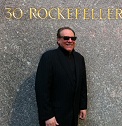
Vincent Caprio & Senator Ron Wyden at the 2011 Nano Caucus on Wednesday, June 22nd

On June 22, 2011, the Congressional Nanotechnology Caucus convened its first meeting in 2011 and hosted its inaugural Nanotechnology Caucus Lecture: Nanotechnology 101. The Nanotechnology Caucus is a bipartisan group of Members dedicated to promoting nanotechnology. Opening remarks were provided by Vincent Caprio, Executive Director, NanoBusiness Commercialization Association. Attendees were then treated to extensive remarks by Senator Ron Wyden (D-OR), a tireless champion of nanotechnology.

Sally Tinkle, Ph.D., Acting Director, National Nanotechnology Coordination Office, Nanoscale Science, Engineering, and Technology Subcommittee, Committee on Technology National Science and Technology Council, provided an excellent overview of the National Nanotechnology Initiative, and focused on some of the many commercial successes of nanotechnology commercialization and the many ways these products are improving energy consumption, medical care and treatment, greener chemistry, and providing other benefits.

Jim Hussey, Chief Executive Officer, Nanoink, Inc., gave a spirited presentation on some of the commercial challenges facing the nano community and the need for universities, investors, and other nano stakeholders to stimulate investment in nanotechnology.

Travis Earles, Ph.D., Advanced Materials and Nanotechnology Initiatives, Lockheed Martin Corporation, and former Assistant Director of Nanotechnology, White House Office of Science and Technology Policy, shared his insights as a former policymaker and his transition to the private sector.

Finally, Frank A. Ignazzitto, Vice President, Government Business, QD Vision, Inc., explained how QD Vision’s commercialization of quantum dot technology will greatly conserve energy and enhance significantly the resolution of screens in consumer and related electronics, among other benefits.

Nanotechnology Caucus Lecture: Nanotechnology 101 – June 22, 2011, Washington, DC

Posted on June 21st, 2011 | No Comments »

I am very happy to announce the Nano Caucus returns!

The Nanotechnology Caucus Lecture: Nanotechnology 101, will take place on Wednesday, June 22, 2011, at 11:00 a.m. in Room 253 of the Russell Senate Building.

AGENDA
11:00-11:05 Opening Remarks: Vincent Caprio, Executive Director, NanoBusiness Commercialization Association
www.nanobca.org

11:05-11:20 Senator Ron Wyden-(D) Oregon
http://wyden.senate.gov/

11:20-11:40 Sally Tinkle, Ph.D., Acting Director, National Nanotechnology Coordination Office, Nanoscale Science, Engineering, and Technology Subcommittee, Committee on Technology National Science and Technology Council, Arlington, VA
http://nano.gov/

11:40-12:00 Travis Earles, Ph.D. (Invited), Advanced Materials and Nanotechnology Initiatives, Lockheed Martin Corporation Bethesda, MD (formerly Assistant Director of Nanotechnology, White House Office of Science and Technology Policy)

12:00-12:20 Jim Hussey, Chief Executive Officer, NanoInk
“Moving from lab to marketplace: what nanotechnology needs”
http://www.nanoink.net/

12:20-12:40 Frank Ignazzitto, Vice President, Government Business, QD Vision, Inc., Watertown, MA
http://www.qdvision.com/

12:40-12:55 Scott Livingston, Chairman and Chief Executive Officer, Livingston Securities
http://www.livingstonsecurities.com/

12:55-1:00 Closing Remarks
Vincent Caprio, Executive Director, NanoBusiness Commercialization Association
Lynn Bergeson, Partner, Bergeson & Campbell http://www.lawbc.com/
Phil Lippel, Nanotechnology Consultant

Regards,

Vincent Caprio “Serving the Nanotechnology Community for Over a Decade”
Executive Director
NanoBusiness Commercialization Association
203-733-1949
vincent@nanobca.org
www.nanobca.org
NanoBusiness Public Policy Counsel Regulatory Update – June 2011

Posted on June 21st, 2011 | No Comments »

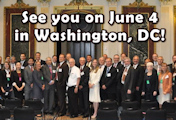
I would like to share with the Nanotechnology Community regulatory developments that occurred last week in Washington, DC on Thursday, June 9th. Paul Stimers, Partner, K&L Gates and NanoBusiness Public Policy Advisor stated the following.

Thursday, June 9, 2011 was a busy day for federal nanotechnology policy, with action from two regulatory agencies and the White House on the environmental, health, and safety aspects of nanotechnology. The NanoBusiness Commercialization Association continues to call for more research on this front, so that any regulatory activity addresses real needs, avoids unnecessary burdens on small businesses, and enables safe and useful products to reach the market.

EPA announced plans to gather information on nanomaterials in pesticide products to determine “whether the registration of a pesticide may cause unreasonable adverse effects on the environment and human health.” The agency plans to gather information both by requiring pesticide registrants to inform EPA of new information “regarding unreasonable adverse effects on the environment” and through data call-in notices. EPA also will propose a new case-by-case approach for determining “whether a nanoscale ingredient is a ‘new’ active or inert ingredient for purposes of scientific evaluation under the pesticide laws, when an identical, non-nanoscale form of the nanoscale ingredient is already registered under the pesticide law.” The full prepublication notice, including instructions for commenting, is available at http://www.epa.gov/pesticides/regulating/prepub-nanopest.pdf.

FDA issued draft guidance for industry that describes the agency’s “current thinking on whether FDA-regulated projects contain nanomaterials or otherwise involve the application of nanotechnology.” It represents a more expansive approach than has been taken in the past by the NNI and industry. FDA stated that its two key criteria in answering that question will be:

1) Whether an engineered material or end product has at least one dimension in the nanoscale range (approximately 1 nm to 100 nm);

or

2) Whether an engineered material or end product exhibits properties or phenomena, including physical or chemical properties or biological effects, that are attributable to its dimension(s), even if these dimensions fall outside the nanoscale range, up to one micrometer.

Importantly, FDA noted that “these considerations apply not only to new products, but also may apply when manufacturing changes alter the dimensions, properties, or effects of an FDA-regulated product or any of its components.” FDA also indicated that the criteria are subject to change in the future as more data becomes available. The full document, including instructions for submitting comments within 60 days, is available at http://www.fda.gov/RegulatoryInformation/Guidances/ucm257698.htm.

The White House also issued a joint memorandum on the regulation of nanotechnology from the Office of Science and Technology Policy, the Office of Management and Budget’s Office of Information and Regulatory Affairs, and the office of the U.S. Trade Representative. The memo provides guidance to agency heads, stating that “regulators should use flexible, adaptive, and evidence-based approaches that avoid, wherever possible, hindering innovation and trade while fulfilling the federal government’s responsibility to protect public health and the environment.” The memo lists principles that agencies should follow. It is available at http://www.whitehouse.gov/sites/default/files/omb/inforeg/for-agencies/nanotechnology-regulation-and-oversight-principles.pdf.

This message is for informational purposes and does not contain or convey legal advice. The information herein should not be used or relied upon in regard to any particular facts or circumstances without first consulting a lawyer.

These recent regulatory developments, discussed by Paul will, have an impact on our Nanotechnology Community. I would be happy to answer any questions in regard to these recent regulatory developments.

Regards,

Vincent Caprio “Serving the Nanotechnology Community for Over a Decade”
Executive Director
NanoBusiness Commercialization Association
203-733-1949
vincent@nanobca.org
www.nanobca.org

NanoBusiness Commercialization Association – Nano News Spring Vol. 3

Posted on June 21st, 2011 | No Comments »

As spring leads into summer the Nanotechnology Community is buzzing with good news. On June 1st, Solazyme http://www.solazyme.com/ announced their IPO.

Harris & Harris Group Notes Solazyme IPO
http://www.tinytechvc.com/releasedetail.cfm?ReleaseID=582258

Solazyme, Inc. Announces Exercise of Over-Allotment Option
http://www.solazyme.com/media/2011-06-02

Next week, June 13-16th the NanoTech Conference & Expo 2011 will be held in Boston, MA
NanoTech Conference & Expo 2011
http://www.techconnectworld.com/Nanotech2011/

Nanotech jobs up 18.6% over past four years
http://www.wired.com/magazine/2011/05/ff_jobsessay/?utm_source=feedburner&utm_medium=feed&utm_campaign=Feed%3A+wired%2Findex+%28Wired%3A+Index+3+%28Top+Stories+2%29%29

Government agencies, concerned about potential health and environmental risks, are stepping up efforts to gather data on nanomaterials
http://www.industryweek.com/articles/information_please_19236.aspx

Publicly Traded Nanotechnology Companies – Stock Results
(see attached spreadsheet)

ARPA-E energy leader to meet with NanoMech
NanoMech lubricants provide manufacturing competitiveness and decrease America’s dependency on foreign oil
http://classic.cnbc.com/id/43308105

PLEASE SAVE THE DATE for our 10th Annual NanoBusiness Conference/Nanomanufacturing Summit 2011
September 25-27, 2011
http://www.internano.org/nms2011/
Seaport World Trade Center, Boston, MA
http://www.seaportboston.com/meetings-and-events/overview.aspx
Hotel: Seaport Hotel (connected to the World Trade Center)
http://www.seaportboston.com/

Regards,

Vincent Caprio “Serving the Nanotechnology Community for Over a Decade”
Executive Director
NanoBusiness Commercialization Association
203-733-1949
vincent@nanobca.org
www.nanobca.org

NanoBCA Publicly Traded Nanotech Stocks – May 2011 Update

NanoBusiness Interview – Jess Jankowski, President & CEO, Nanophase

Posted on June 7th, 2011 | No Comments »

In this month’s interview, we talk to Jess Jankowski, President and Chief Executive Officer, and a Board Director of Nanophase. Mr. Jankowski was elected Chief Executive Officer (Acting) in August of 2008 and was elected President and Chief Executive Officer, and Board Director, in February 2009. He joined Nanophase in November 1995. He was elected Secretary and Treasurer in November 1999, Acting Chief Financial Officer in January 2000, Vice President in April 2002, and Vice President of Finance and Chief Financial Officer in April 2004. From 1990-1995 he served as Controller for two building contractors in the Chicago area, during which time he had significant business development responsibilities. From 1986 to 1990 he worked for Kemper Financial Services. Mr. Jankowski holds a B.S. from Northern Illinois University and an M.B.A. from Loyola University. He was elected to the TechAmerica (formerly AeA) Midwest Board in 2008 and was an active member of the TechAmerica Midwest CFO Committee from 2006 through 2008. He was appointed to the NanoBusiness Advisory Board in 2009. Mr. Jankowski was appointed to the Romeoville Economic Development Commission in 2004 and served in 2010. He has also served on the Advisory Board of NITECH (Formerly WESTEC), an Illinois Technology Enterprise Center focusing on the commercialization of advanced manufacturing technologies from 2003 to 2008. In 2009, Mr. Jankowski was appointed to the Board of Directors of the Northern Illinois Technology Foundation, an economic development and technology transfer entity that is part of Northern Illinois University.

In our interview, we discuss the current state and outlook for innovative nanomaterials. We hope you enjoy the interview with Jess Jankowski. -Steve Waite, Director of Research and Strategy, The NanoBusiness Commercialization Association

SW: Thanks for taking the time to speak with us, Jess. Nanophase has been in business for quite some time. Give us a little background of how the company got started, how it has evolved, and what its mission is today.

JJ: Nanophase is built from an idea that grew out of the Argonne National Laboratory – the ability to make pure metal oxide particles for particular applications at the nano scale. Often, manufacturers are forced to use materials with impurities or with secondary structures that don’t provide the effectiveness they are looking for. With this technology, we can provide metal oxides to manufacturers in any form (dry powder, dispersed in liquid, or dispersed into a plastic flake that is ready to use in their process) with the desired attributes ranging from particle size and shape to particular surface chemistries. It was a better way to provide manufacturers with materials they needed.

SW: What are the primary nanomaterials produced by Nanophase and why is the company focused on those materials?

JJ: The most popular is nano zinc oxide used in personal care applications (such as sunscreens for sensitive skin). Zinc oxide is an excellent, all natural, full spectrum UV ray absorber. Using nano zinc oxide allows that glob of white cream that we used to see decorating so many lifeguard’s noses to be clear today. Zinc oxide is gentler on the skin than many of the organic chemicals used to achieve the same purpose, so we have noticed an uptick in use in both sensitive skin sunscreen applications as well as certain daily wear cosmetics. Our material is also considered an “all-natural” or mineral-based product, which resonates with quality conscious consumers. Just as zinc oxide protects human skin, it also is effective in certain UV protection applications such as for exterior coatings (paints and stains) and many other applications.

Beyond zinc oxide, we have developed a family of aluminum oxide additives to impart a thin layer of scratch resistance to high-end packaging, signage, and consumer electronics products. We also use cerium oxide for polishing applications, from semiconductor and other electronics applications through architectural window solutions. We typically sell chemical additives, but our polishing expertise allowed us to launch our first complete product line for window polishing and restoration under the NanoUltra™ family of products. These are the most common products we sell, but we also sell smaller amounts of several other metal oxides for particular applications. We have a very flexible manufacturing platform that allows us to pursue markets broadly.

SW: There are numerous applications for nanomaterials in the 21st century. Tell us about the applications Nanophase is currently targeting in the market.

JJ: Several areas where we see significant opportunities in the near term are natural UV protection in personal care (e.g., sunscreens and daily wear cosmetics), providing scratch resistance in transparent coatings, UV-resistance in architectural coatings and a series of other applications that are too early-stage to mention. We fully understand that we will increase and decrease our focus in various markets as we grow and gain more commercial feedback. The underlying need for both transparent functional coatings and well-dispersed active materials provides us with more opportunities than we can possibly address simultaneously. For now, focus is the key!

SW: What are the major advantages to a sunscreen product that is produced with your nanomaterials?

JJ: Our nano zinc oxide provides a terrific combination of being very effective while gentle. Unlike many solutions on the market, nano zinc oxide is a full spectrum UV blocker, meaning that it minimizes the effects of UVA and UVB radiation very well. Many products have historically focused on UVB for blocking sunburn, without paying as much attention to UVA, which relates to cellular degradation and skin cancer. New label requirements in Europe, and likely soon to be in the United States (maybe this year), will require this be better disclosed, and you’ve likely already seen products on the shelves that are dealing with these disclosures. Sunscreens with our materials are designed to be long lasting, even when used in water. And zinc oxide tends to be gentle on the skin, more so than many of the organic chemicals commonly used. These reasons explain why our products are often found in sensitive skin products, and also explain why we are a natural choice for daily wear cosmetics.

SW: Please tell us more about the transparent UV resistant coatings for wood that Nanophase is developing. What are its advantages relative to existing products on the market?

JJ: The most effective wood coatings today tend to rely on heavy pigments to achieve UV protection, so that the wood will often look red or orange depending on the pigment being used. There’s nothing wrong with those colors, but many would prefer the natural look of their wood and simply want it to last longer. We have seen that our nanomaterials can improve the effectiveness of coatings significantly, particularly in the transparent and lighter-pigmented semi-transparent applications. We are working with customers to take the basic technology to market in both semi-transparent and completely transparent wood coatings. This is an area where we hold a significant advantage over the tradeoffs that historically had to be made – protection vs. transparency. Our solutions offer the market both.

SW: What are some of the futuristic nanomaterials applications Nanophase is working on that you can share with us?

JJ: Working at a small scale with significant control over the particles has provided potentially huge energy applications that we are working on, although it will take some time to determine viability. Very thin, transparent coatings also present strong potential advantages in plastics applications. We have recently devised a method for adding our materials into several traditional plastics fabrication processes, and are working with alpha customers on different applications. Either of these concept areas could launch a company today, but we are looking at them as additional areas for the strategic growth of our company, which already has a good history and understanding in creating and then manufacturing these solutions.

SW: Do you sense there is a misconception today among policymakers, companies, and the general public about nanomaterials?

JJ: The unknown is inherently scary. People who don’t know what we do often assume that we are making little robots that will take over the world, or unstoppable microbes. What we are really doing is improving the forms, or formats, of materials that have been used for a very long time. The data we see supports the safety of our products, and we believe we meet every available standard of safety in our manufacturing processes. I can only address our products – many companies are creating products at a nano scale for all sorts of applications today that I’m less familiar with, and I’m sure some will have issues and others won’t, just like any other business segment. I believe we’re seeing a softening of this paranoia in the marketplace and in legislative circles.

SW: What kind of testing has Nanophase been involved with over the past decade – either directly or indirectly – with its nanomaterials and what are the results of those tests?

JJ: This is a broad topic that I won’t try to address completely. I think the best way might be to discuss how we at Nanophase handle our Environmental Health and Safety (“EH&S”) program. Given that there aren’t specific rules regarding the evaluation of nanomaterials in the workplace, we have adopted and enhanced the existing safety regimes commonly and effectively used in the chemical industry. We rely on NIOSH and OSHA standards as the starting point for our EH&S program. To their requirements (compliance to chemical exposure rules and Permissible Exposure Limits or “PEL”), we have added a combination of additional tools and techniques to assess, control and monitor exposure to nanomaterials in the workplace. We measure fugitive emissions regularly and, in most cases, measured particulate levels are between one 1% and 5% of the established “PEL” by OSHA. Keep in mind that this standard includes both total and respirable dust. Many of the minimal particulates counted are generated by non-production (meaning, non-nanomaterial) processes. Our results also regularly show that the particle counts inside the production areas are measured lower than the particles present in the outdoor environment, including in the parking lot of the fast food restaurant down the street!

Lastly, on an annual basis, Nanophase executes a facility wide medical evaluation for production, quality, engineering, and R&D employees. The evaluation consists of a medical questionnaire, a pulmonary function test, and a follow-up physical if a need is determined by the company’s physician. The purpose of this evaluation is to monitor and respond to any decline in pulmonary function and to check for any other medical condition related to a single employee or pool of employees. Over the past five years (where our date is readily available), not a single employee has shown a decline in their medical condition that can be related to workplace exposure. I’m proud of our record, I’m proud of our EH&S team, and we continue to focus on strengthening our program whenever we determine additions can be helpful.

SW: Outside of the United States, what other countries are heavily engaged in nanomaterials research and development and how much innovation are we seeing in those countries?

JJ: This is a significant area of concern. The United States has enjoyed being a technology leader for decades. This is changing. Education and employment opportunities outside the United States have been improving at a much faster clip than domestically. Nanotechnology remains largely a “basic science” application, and fewer people are willing to put money behind learning about how things work. This is likely going to get far more imbalanced over time, as other nations promote technologies that will enable the next generation of products, while we struggle with fiscal challenges. While we often compete against non-nano technologies, we see that our most direct competitors are already located outside the United States.

SW: One last question for you, Jess. China moved to restrict its exports of “Rare Earth” minerals. What kind of impact do you think this will have on the nanomaterials business in the future?

JJ: We vaporize metal, so commodities are our raw materials. “Rare Earths” are a classification of materials often used in high end electronics. One member of that class is the cerium oxide we sell for polishing applications. As 97% of Rare Earth materials are exported from China today, the severe export restrictions imposed during 2010 are having a dramatic impact on the market. Many companies can’t get the material they need, and those which have been able to do so, like Nanophase, must pay significantly more than they did a year ago. This hurts our customers, and over time will drive changes in methods and products. We are working very closely with our customers on managing these issues, but they are significant. Our investment in inventory has skyrocketed because our customers need this material. New sources of supply are opening around the world during 2011, 2012, and beyond, but this will remain a significant challenge to many high-tech industries for the foreseeable future.

There are two mitigating bright spots here:

1) Cerium oxide to allow results to be achieved that are not possible with other materials today, so demand will continue to some extent; and

2) Smaller materials achieve greater functionality “per pound” than larger materials and, therefore, inherently require smaller quantities of materials to achieve a given performance level. This reduces both cost and, ultimately, offers greener alternatives in some cases where fewer byproducts are created for a given process.

SW: Thanks again for your time, Jess. It has been a pleasure speaking with you. We wish you and your colleagues at Nanophase all the best in the future.

You will be able to hear Jess live and in person at our 10th Annual Event.

PLEASE SAVE THE DATE for our 10th Annual NanoBusiness Conference/Nanomanufacturing Summit 2011
September 25-27, 2011
Boston, MA
http://www.internano.org/nms2011/

REGISTER TODAY
Industry/Government:
$400.00; $500.00 after August 26, 2011

University/Academia:
$200.00; $250.00 after August 26, 2011
https://regstg.com/Registration/RegForm.aspx?rid=9363e8fe-34c5-4188-9ecb-f1a5852ef5f3

Seaport World Trade Center, Boston, MA
http://www.seaportboston.com/meetings-and-events/overview.aspx
Hotel: Seaport Hotel (connected to the World Trade Center)
http://www.seaportboston.com/

Regards,

Vincent Caprio “Serving the Nanotechnology Community for Over a Decade”
Executive Director
NanoBusiness Commercialization Association
203-733-1949
vincent@nanobca.org
www.nanobca.org

NanoBusiness Endorses Nanomaterials for Aerospace & Defense – Nano News Spring Vol. 2

Posted on June 7th, 2011 | No Comments »

I would like to share with you a couple of upcoming educational courses titled:

Nanomaterials for Aerospace and Defense: Applications, Issues, Trends and Practices
http://www.caneus.org/course/materials/

NanoBusiness members will be offered the same benefits as CANEUS members with reduced registration fees of $350.

Course 1 – June 28, 2011
Lockheed Martin’s Advanced Technology Center
3251 Hanover Street, Palo Alto, CA 94304
REGISTER
https://ww2.eventrebels.com/er/Registration/RegistrationForm.jsp?ActivityID=5788&ItemID=21424

Course 2 – August 23, 2011
NASA’s Goddard Space Flight Center
8800 Greenbelt Road, Greenbelt, MD, 20771
REGISTER
https://ww2.eventrebels.com/er/Registration/RegistrationForm.jsp?ActivityID=6320&ItemID=23525

One of the course instructors is a familiar friend of the Nanotechnology Community over the past 10 years, Dr. Sharon Smith http://www.caneus.org/course/materials/index.php/instructors1.

NANO NEWS – Spring Edition Volume 2
This spring has brought us many exciting new developments in our Nanotechnology Community. We would like to share with you the following articles:

50 years ago on May 25, 1961, President John F. Kennedy announced the U.S. goal of sending an American safely to the Moon before the end of the 60s.
http://history.nasa.gov/moondec.html

Northwestern University Purchases NanoInk’s NLP 2000 Desktop Nanofabrication System
http://www.nanoink.net/press-releases/press-release-3-29-2011.html

U.S. Department of Energy to Invest in Innovalight
http://www.tinytechvc.com/releasedetail.cfm?ReleaseID=580135

Nanosys Uses Cool Quantum Dot Technology to Make Displays More Colorful
http://www.tinytechvc.com/releasedetail.cfm?ReleaseID=578893

Harris & Harris Group Notes Sale of Quantum Computing System by D-Wave Systems to Lockheed Martin Corporation
http://www.tinytechvc.com/releasedetail.cfm?ReleaseID=580990

mPhase Technologies Granted Key U.S. Patent for Multi-Chemistry Battery Architecture
http://campaign.r20.constantcontact.com/render?llr=e8zakgdab&v=001OOxHMyT1jj1SeQp1TUso_ogiMZiKz1NGb7M8NuTBrZDdsIJlVzDl8VBqs3HnGWtaaqGHs-xdWgjeosxRpdx_QkO0uv7ONY0_iYf4_P4j-bqsRlLWi0DDpg%3D%3D

Testing Nano: How Much Is Too Much?
http://newhavenindependent.org/index.php/archives/entry/nano_testing/

Nanomedicine, the FDA: Developing science on a case-by-case basis
http://www.medcitynews.com/2011/05/nanomedicine-and-the-fda-developing-science-on-a-case-by-case-basis/

PLEASE SAVE THE DATE for our 10th Annual NanoBusiness Conference/Nanomanufacturing Summit 2011
September 25-27, 2011
http://www.internano.org/nms2011/
Seaport World Trade Center, Boston, MA
http://www.seaportboston.com/meetings-and-events/overview.aspx
Hotel: Seaport Hotel (connected to the World Trade Center)
http://www.seaportboston.com/

Regards,

Vincent Caprio “Serving the Nanotechnology Community for Over a Decade”
Executive Director
NanoBusiness Commercialization Association
203-733-1949
vincent@nanobca.org
www.nanobca.org

Vincent Caprio, Woodrow (Woody) Clark, PhD, 2007 Nobel Peace Prize Winner and Kirk Nagamine at the Blue Tech Valley Water Conference

Posted on May 24th, 2011 | No Comments »

Vince-Woody-Kirk-1

NanoBusiness – Nano News Spring 2011 Edition

Posted on May 24th, 2011 | No Comments »

This spring has brought us many exciting new developments in our Nanotechnology Community. We would like to share with you the following articles:

Let’s begin with an article written by our friend, Scott Rickert, President, Co-Founder & CEO of NanoFilm:
NANOFILM
Nanotechnology – and all technology – are the bond by Scott Rickert
http://www.industryweek.com/articles/whats_the_world_coming_to_partnership_24555.aspx

Nanofilm and SDG, Inc. Sign Joint Development Agreement for Nanotechnology and Bio-Nano Products http://www.prweb.com/releases/2011/5/prweb8383802.htm

All positive news this spring from Harris & Harris – Stock Symbol TINY
RESEARCH 2.0 Initiation of Coverage
Harris & Harris Group: Nanotech Renaissance
http://blog.research2zero.com/wp-content/uploads/2011/04/Harris-Harris-Coverage-Update-Report-April-28-2011.pdf

Harris & Harris Group: Survive to Thrive
http://blog.research2zero.com/wp-content/uploads/2011/02/Harris-Harris-Coverage-Report-January-10-20111.pdf

Updates on Lux Capital portfolio companies. Really cool breakthroughs.
LUX CAPITAL – Spring 2011 News
Startup Kurion Enlisted for Fukushima Cleanup
http://www.greentechmedia.com/articles/read/startup-kurion-enlisted-for-fukushima-cleanup/

Cambrios ClearOhm Film Used in Smart Phone
http://www.reuters.com/article/2011/04/06/idUS114178+06-Apr-2011+BW20110406

Interesting Webinar this week
WEBINAR – Thursday, May 19, 2011 1:00pm-5:30pm EST
Nano Governance: The Current State of Federal, State, and International Regulation
http://www2.americanbar.org/calendar/nr1105-nano-governance/Pages/default.aspx

Great report for our Nanotechnology Community
2010 NIST Center for Nanoscale Science and Technology (CNST) Report
http://www.nist.gov/cnst/upload/cnst_2010_report.pdf

Attached is a fantastic article that was published in the May 2nd edition of Chemical Engineering News entitled U.S. Nanotech at a Crossroads by Britt E. Erickson.   NNI Hearing Article – CEN

PLEASE SAVE THE DATE for our 10th Annual NanoBusiness Conference
September 25-27, 2011
Seaport World Trade Center, Boston, MA
http://www.seaportboston.com/meetings-and-events/overview.aspx
Hotel: Seaport Hotel (connected to the World Trade Center)
http://www.seaportboston.com/

Regards,

Vincent Caprio “Serving the Nanotechnology Community for Over a Decade”
Executive Director
NanoBusiness Commercialization Association
203-733-1949
vincent@nanobca.org
www.nanobca.org